Wishlist
When you walk into a room and it just feels off
Maybe the sofa looks fine, but the space feels flat; the bedroom feels busy but somehow less restful; or the bathroom looks neat but lacks personality. That nudge toward “something’s missing” is the cue for easy home decor ideas you can apply in an afternoon or over a weekend. Below are practical swaps and small purchases that consistently make rooms feel better—calmer, fresher, and more intentional—without a full remodel.
Start with light and mood
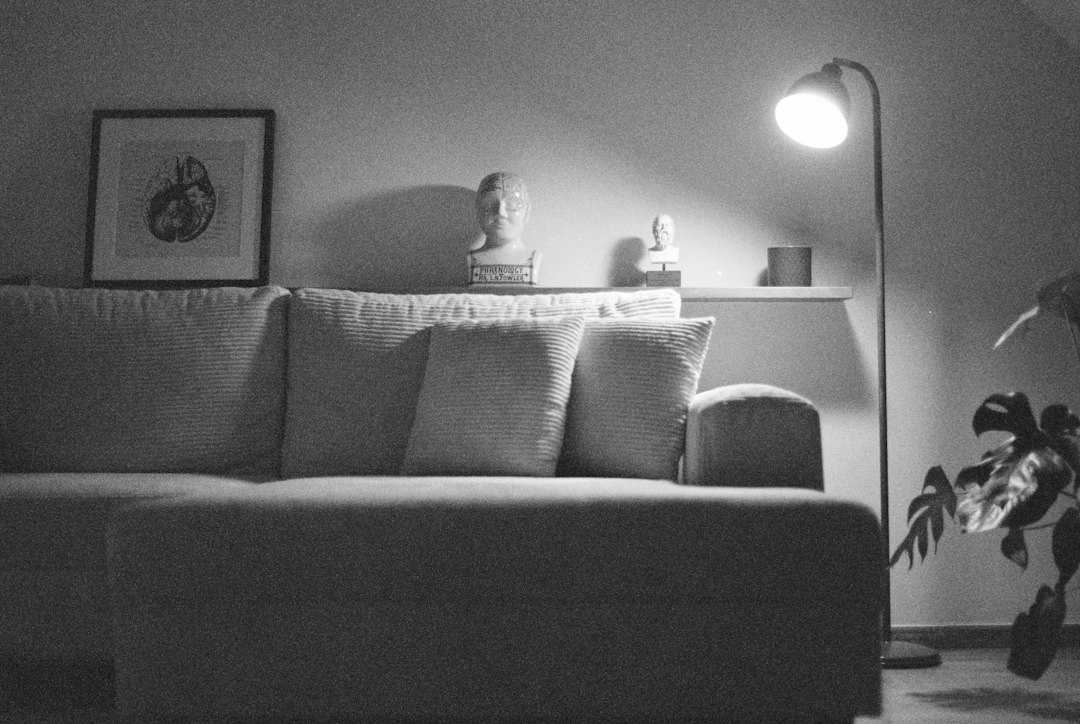
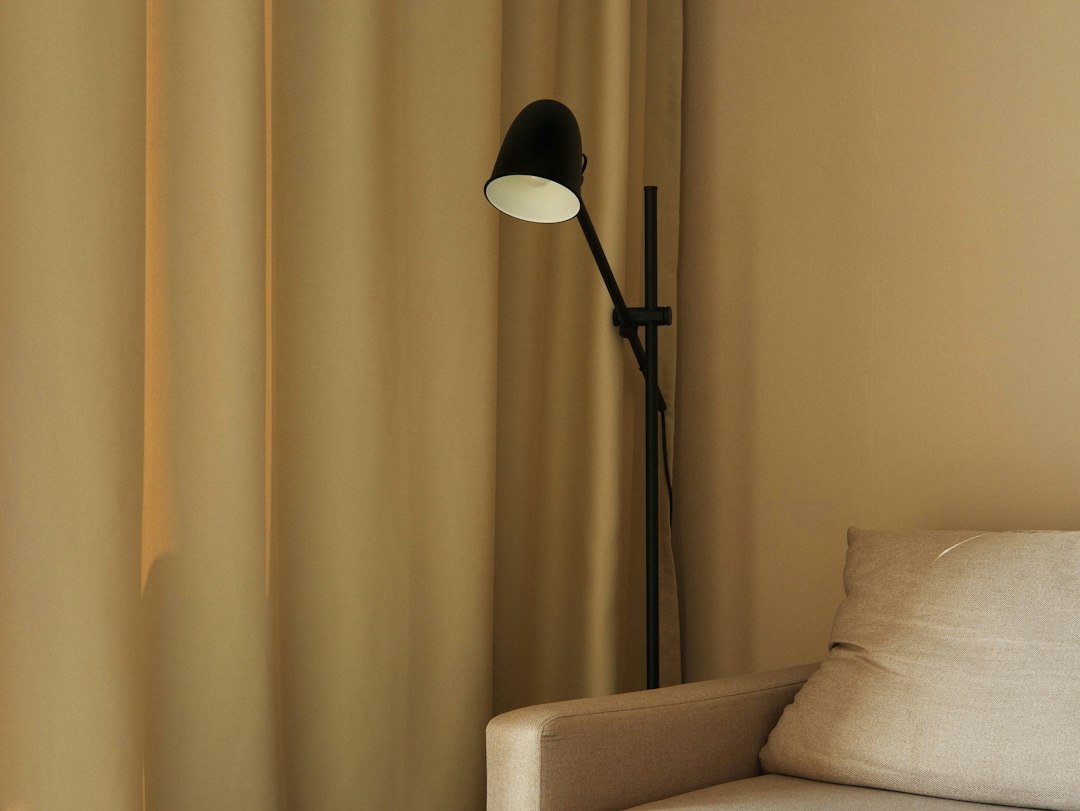
Lighting changes more than any paint color. Replace overhead harsh bulbs with warmer LED bulbs (2700–3000K) and add two layers: task light and accent light. A floor lamp behind the sofa and a side-table lamp near a reading spot immediately create a relaxed scale.
For flexibility, control key lamps with a smart plug so you can dim or schedule lights without rewiring. This is especially helpful in bedrooms to cue winding down and in living rooms for movie nights.
Switch one textile to shift the whole room
Textile swaps are a fast emotional reset. Replace one of these and you'll notice a change: a throw blanket, two pillows, or the curtains. Choose one new texture—bouclé, linen, or a plush knit—in a color that pulls together existing tones.
Practical example: if your sofa and rug are neutral, add two patterned pillows and a warm-toned throw. The contrast reads as intentional, not cluttered. In bedrooms, new bedding or a textured lumbar pillow makes the bed look layered and inviting.
Declutter then style with purpose
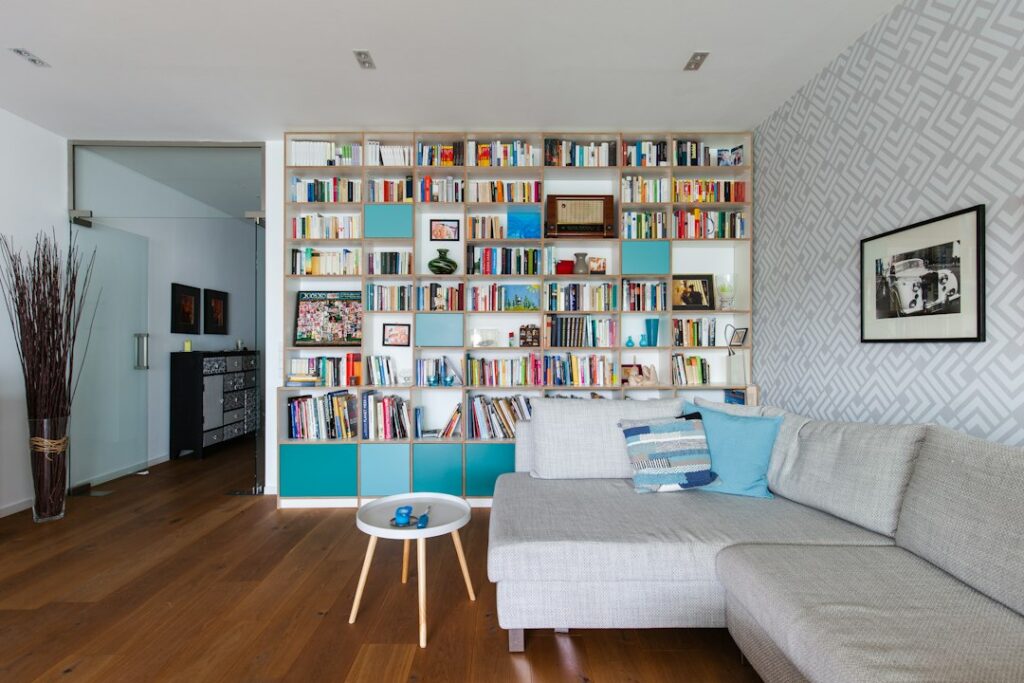
Clearing surfaces first is non-negotiable. Remove everything from a table or shelf, keep only three to five items that serve a purpose or tell a story, and arrange them with varying heights. Use trays or small boxes to group loose items so the surface stays tidy.
Use storage that doubles as decor
Swap mismatched containers for a few coordinated baskets or woven bins. They corral clutter and add texture. In bathrooms, apothecary jars are both functional and decorative for cotton, q-tips, and small soaps; on a shelf they read as design instead of junk.
Product pick: if you want a quick, decorative way to store bathroom essentials, a clear apothecary jar set is an easy match for many styles.
Create a small gallery—without the guesswork
A gallery wall doesn’t need dozens of frames. Pick a focal area (above a sofa, the landing, or a stair wall), lay out 3–7 pieces on the floor until the arrangement feels balanced, then use paper templates to plan spacing on the wall. Keep frames in one or two finishes to read cohesive; mix art sizes but anchor with one medium or large piece.
Add one living thing and rotate it seasonally
Plants improve light, texture and perceived airiness. Start with a forgiving houseplant—pothos, snake plant, or ZZ—placed where it gets the light it needs. Rotate small potted seasonal stems (cut flowers, branches, or greenery) on dining tables or sideboards to keep the room feeling current.
Mind the rug scale and placement
A wrong-sized rug collapses a room. Ideally, front legs of seating should sit on the rug to visually unify a seating group. If you can’t afford a larger rug right now, layer smaller rugs: a neutral base with a patterned runner on top can read as intentional texture rather than a mismatch.
Make small surfaces work harder
Nightstands, entry consoles and coffee tables should have a mix of function and styling: a lamp or tray for keys, one book or a stack, and one personal object. Keep height variety—stacked books with a small vase on top creates the same effect as a costly sculpture.
Color edits: pick one anchor color and one accent
To avoid a busy palette, choose one anchor color (the room’s dominant hue—often neutrals) and add a single accent color in three places: a pillow, a small art piece, and a decorative object. Repeating a color creates cohesion without matching everything exactly.
Small habit that keeps rooms feeling better
Once a week, spend five minutes returning stray items to their home and smoothing textiles (fluffed pillows, folded throws). That small routine makes the room feel cared-for and keeps decor efforts from feeling wasted.

When to spend and when to DIY
Prioritize spending on things you use daily: a good lamp, a dependable rug, or quality bedding. DIY or thrift swaps are perfect for frames, small accent pieces, and plant pots. If you’re between purchases, a thoughtful arrangement and a few well-placed textiles will still lift the space.
Quick styling checklist for any room
Before you call it finished, walk the space with these micro-goals: is lighting layered; does the seating group feel anchored; are surfaces tidy and grouped; is there at least one living plant; can you identify the accent color repeated in three spots?
- Replace at least one overhead bulb with a warm LED and add a lamp on a dimmer or smart plug.
- Swap one textile (throw, pillow, or curtain) for a new texture or color.
- Clear a surface, then style with 3–5 purposeful objects of varying heights.
- Add a plant or seasonal stems for life and texture.
- Use coordinated baskets or jars to hide clutter and display essentials.
Make one lighting change, one textile swap, and one storage upgrade to see immediate improvement. These three moves create a foundation you can iterate on seasonally without a large budget.
How much does redecorating a room like this usually cost?
Costs vary widely: simple textile and lighting changes can be under $100; adding a quality rug or sofa throws the budget higher. Focus first on small wins that fit your price range.
What if my room is very small—any different rules?
Keep scale in mind: choose low-profile furniture, use one large mirror to visually expand the space, and avoid too many small objects that create visual clutter.
Can I make a rental feel personalized without permanent changes?
Yes—use removable hooks for art, swap textiles, add lamps and rugs, and use freestanding shelving or decorative baskets that require no alterations.
Which room most benefits from an apothecary jar set?
Bathrooms and powder rooms gain the most because jars provide practical storage and an immediate curated look for small essentials.