Wishlist

What matters on long flights and road trips — and what you can ignore
When you're facing hours in a cramped plane seat or behind the wheel all day, three things determine whether the trip is tolerable: comfort (sleep and posture), basic health (hydration, circulation, hygiene), and logistics (what you can reach, where things live). Ignore travel myths that promise miracle cures—no gadget will replace sleep, and pricey upgrades matter less than planning the small practical fixes below.
Seat comfort and sleep strategies that actually work
The goal is twofold: reduce pain and increase chances of quality rest. For flights, aim for short sleep chunks instead of forcing a long stretch if time zones or cabin conditions make it unlikely.
- Bring a structured neck pillow (U-shaped inflatable or memory foam) and a thin lumbar pad or folded jacket for lower-back support.
- Layer clothes so you can adjust to cabin temperature; a lightweight blanket or large scarf doubles as extra lumbar support.
- Use noise-cancelling headphones plus a soft eye mask to block sound and light. If you’re sensitive to pressure changes, chew gum or use pressure-equalizing earplugs on descent.
- On road trips, plan driving shifts and schedule 20–30 minute naps at safe stops—micro-sleeps are dangerous when driving while drowsy.
Move, stretch and prevent circulation problems
Prolonged immobility causes stiffness and increases risk of deep vein issues. Move deliberately.
- On flights: stand and walk every 60–90 minutes when safe; perform seated ankle circles, calf raises and knee lifts to keep blood flowing.
- Wear compression socks for flights longer than four hours or if you have previous circulatory issues—comfortable and unobtrusive.
- In the car: stop every 1.5–2 hours for 10–15 minutes of brisk walking and stretching; use rest areas to do a short mobility routine.
Packing and accessibility: what to keep within arm’s reach
Think “reach not rummage.” Keep items you’ll need during transit in an easy-access bag.
- Carry-on essentials: passport/ID, phone and charger, small toiletry kit (toothpaste, toothbrush, face wipe), medications, snacks, earplugs and tissues.
- For cars: a glovebox pouch with sunglasses, phone charger, emergency cash, and printed directions/contacts; place a day bag in the passenger footwell with water and a light layer.
- Use clear toiletry bags to speed security checks and avoid leaks. A small hanging toiletry organizer helps at hotel stops.
Hydration, snacks and simple food rules
Dehydration and poor food choices amplify fatigue and digestive discomfort.
- Drink regularly: aim for a small sip every 20–30 minutes on flights; bring an empty refillable bottle through security and top up after screening.
- Choose high-protein, fiber-rich snacks (nuts, protein bars, fruit) that keep you fuller longer and stabilize energy on long drives.
- Avoid excessive alcohol and heavy, greasy meals before and during travel; they disturb sleep and can cause sluggishness.
Health and hygiene on the move
Small routines keep you fresher and reduce illness risk.
- Carry disinfecting wipes for tray tables, armrests and shared surfaces; clean hands frequently or use hand sanitizer.
- Pack a mini first-aid kit with bandages, pain reliever, blister pads and any prescription meds. For road trips, keep a full car emergency kit in the trunk.

Safety and vehicle prep for road trips
Mechanical problems turn a smooth itinerary into a major delay. Check the basics before you go and carry tools for common fixes.
- Pre-trip checklist: tire pressure and tread, oil, coolant/antifreeze, windshield wiper fluid, lights, and the spare tire condition.
- Pack an emergency kit (jumper cables, flashlight, reflective triangles, basic tool kit). If you want one ready-made, consider a top-ranked car emergency safety kit for breakdowns and minor repairs.
Pacing and schedule strategies that reduce travel fatigue
Treat the journey as part of your trip rather than just lost time.
- Break long road days into achievable segments (3–4 hours driving with planned stops) and build in a rewarding pause—coffee at a scenic overlook or a stretch-and-snack stop.
- For flights with connections, leave a comfortable buffer between flights (at least 90 minutes domestic; 2–3 hours international) to accommodate delays and passport control.
- If crossing multiple time zones, shift sleep times gradually in the days before departure when possible; on arrival, use daylight and short naps to reset.
Packing smart for convenience and cleanliness
Decide what you’ll use en route versus at your destination, and pack accordingly.
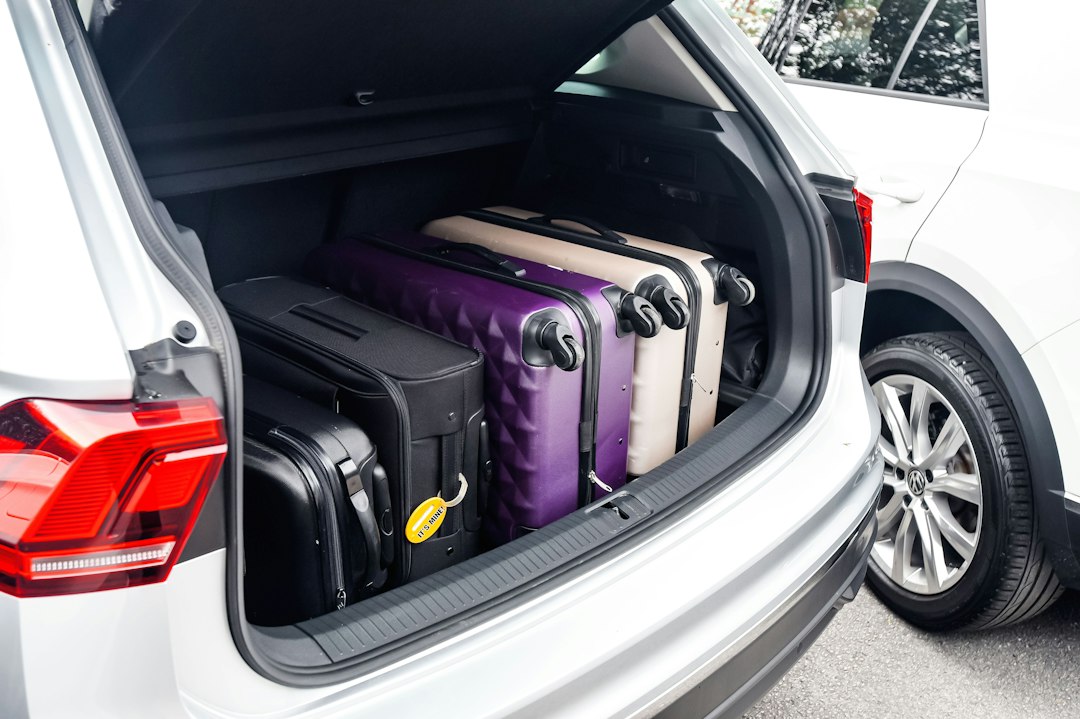
- Keep a small “arrival kit” with toothbrush, contact lens case, deodorant and change of socks in your carry-on or day bag.
- Use packing cubes to separate clothes by day or activity; keep one cube for “travel-only” items you’ll use in transit so they don’t mix with fresh clothes.
- If traveling with pets, collapsible bowls and secure carriers are essential for both flights and car journeys.
- Confirm car maintenance and pack a roadside emergency kit.
- Assemble a reachable carry-on/day bag with meds, chargers and toiletries.
- Plan driving shifts and schedule regular movement breaks.
- Pack layered clothing, compression socks and a structured neck pillow.
- Load snacks, refillable water bottle and a small first-aid kit.
Focus on predictable fixes: comfort aids, movement, and easy access to essentials. Small investments in a neck pillow, a basic car emergency kit, and a clear carry-on toiletry bag repay themselves in reduced stress and fewer interruptions.
How often should I stop on a long road trip?
Plan a stop every 1.5–2 hours for a 10–15 minute walk and stretch; longer stops every 3–4 hours let you refuel and reset properly.
Are compression socks worth it for flights?
Yes for flights over four hours or if you have prior circulation issues; they reduce swelling and discomfort and are inexpensive and low-maintenance.
What snacks travel best for long trips?
Nuts, dried fruit, whole-grain crackers, and high-protein bars travel well and provide stable energy without refrigeration.
How can I manage jet lag on long-haul flights?
Adjust sleep before departure where possible, use short timed naps, hydrate, and get daylight exposure on arrival to help reset your circadian rhythm.
What basic tools should be in a car emergency kit?
Jumper cables, tire pressure gauge, flashlight, reflective triangle, basic tool set, duct tape and a portable phone charger are the core items.