Wishlist
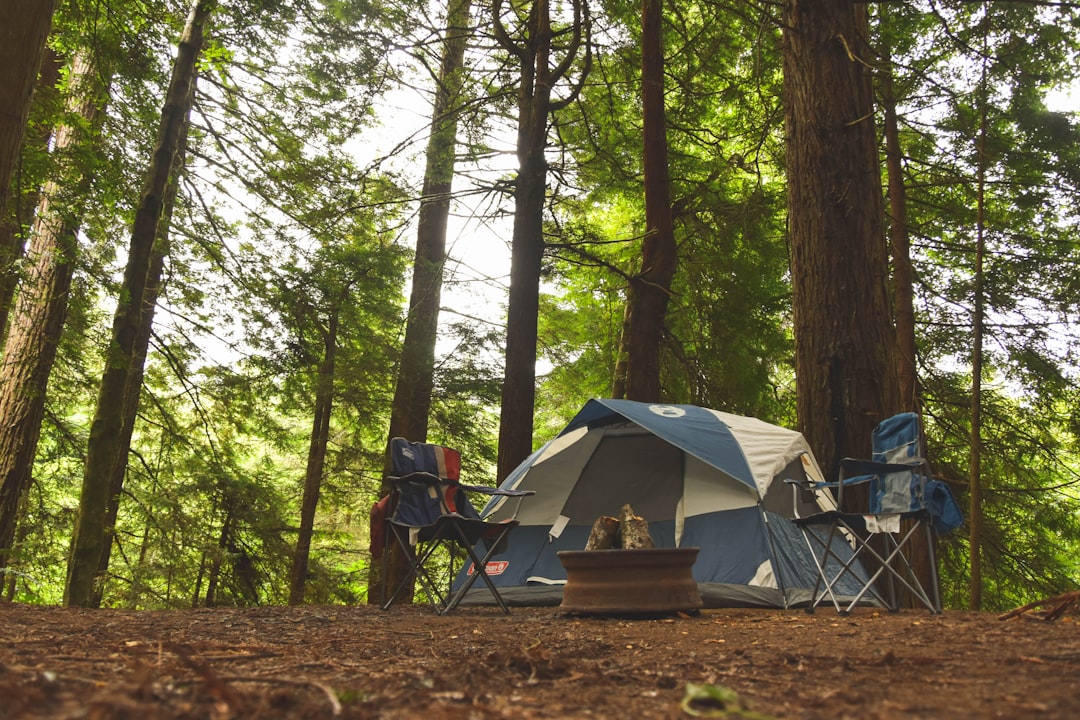
Quick takeaway: Start small, plan one or two clear safety priorities, and use reliable basics
Beginner camping tips that make the biggest difference: pick an established campsite, bring shelter and sleep systems that match expected weather, pack a simple first-aid and emergency kit, and practice safe fire and food storage. Those four moves reduce most risks and discomforts; below are practical ways to implement them and other useful hacks for a smoother trip.
Plan a short trip and check the weather
For your first outing, choose a one- or two-night trip close to home on easily reachable terrain—this limits exposure and provides a quick exit if conditions change. Check the weather 48 and 12 hours before you go. If forecasted temps dip near freezing, prioritize an insulated sleeping pad and a warmer-rated sleeping bag. If rain is likely, add a rainfly, pack clothes in waterproof dry bags or trash compactor bags, and bring an extra tarp to create a dry cooking area.
Choose the right campsite and arrive with a plan
Use established sites at staffed campgrounds when you’re starting; they have level ground, cleared fire rings, and water access. When selecting a tent spot, look for level ground, avoid low spots that collect water, and steer clear of dead branches or unstable trees (widowmakers). Place your tent on a small incline if possible so runoff moves away. Identify restroom locations, potable water sources, and the nearest road before you unload gear.
Prioritize shelter and sleep systems
Sleep comfort equals a happier trip. A three-season tent with a full rainfly is versatile for most beginner outings. Pair it with an insulated sleeping pad (R-value 3–5 is a good starter target in cool weather) and a sleeping bag rated a little warmer than the coldest expected night. Add a small pillow or a stuff-sack filled with clothes for head support—simple but effective.
Packing: checklist essentials and weight hacks
Focus on multi-use items to reduce complexity: a bandana (first aid, filter, towel), a headlamp (hands-free light), and a compact multitool. Pack layers rather than heavy garments—base layer, insulating mid-layer, and a waterproof shell cover most conditions. Limit footwear to one sturdy pair and one camp shoes. Keep a separate small “day” pack with water, snacks, a map, and a warm layer for short hikes away from camp.
Food, cooking, and one smart recommendation
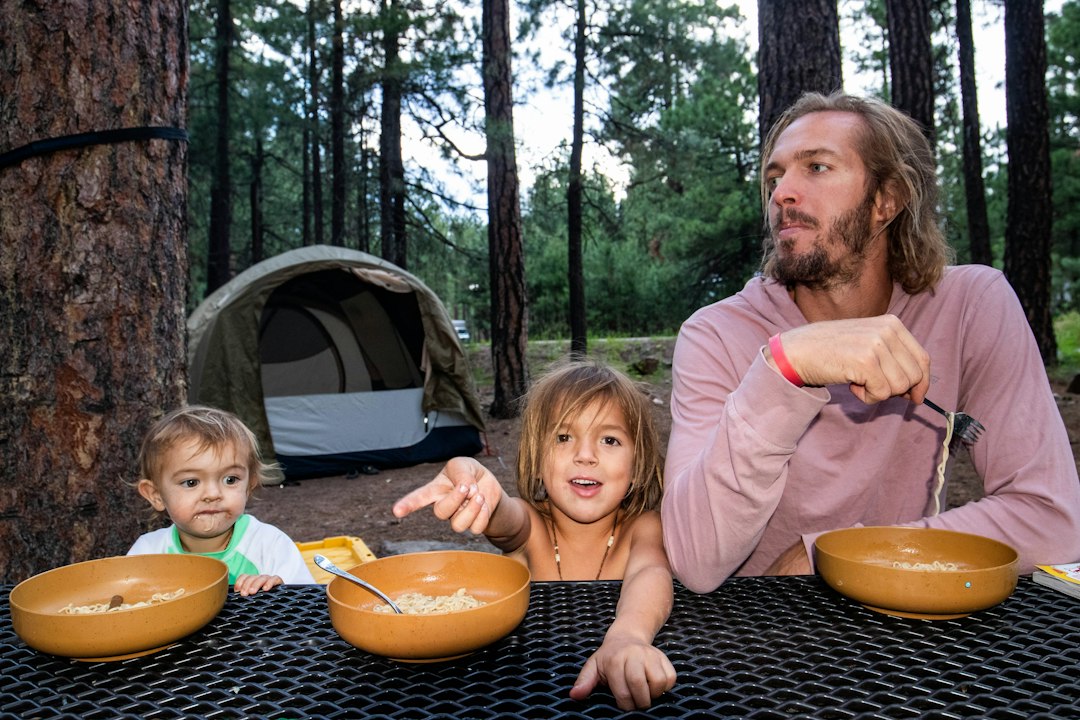
Plan simple, fuel-efficient meals you can prep at home: foil packet dinners, pre-soaked oats, and one-pot stews reduce gear and cleanup. For cookware, a compact mess kit is ideal for two to three people—light, durable, and easy to clean.
This cookware mess kit covers basic cooking tasks without bulk and pairs well with lightweight stoves and a small camp pot.
Fire safety and smokeless alternatives
If campfires are permitted: use established fire rings, keep fires small, never leave a fire unattended, and fully douse coals with water until cool-to-the-touch. Keep flammable items and tents well back from the ring. When fires are banned or you want less fuss, use a compact gas stove for cooking; it’s faster, cleaner, and safer—especially for beginners managing children or pets.
Water, hygiene, and simple sanitation
Assume water in the wild is untreated. Bring enough for your stay or plan a treatment method—filter, pump, or chemical tablets. Carry hand sanitizer for quick use and pack a small trowel to dig a cathole for solid waste if no facilities exist: 6–8 inches deep and at least 200 feet from water sources and trails. Use biodegradable soap away from water and scatter greywater on soil—don’t dump directly into streams.
Light, navigation and practicing basic skills
Bring two light sources—headlamp plus a small lantern or spare flashlight—and extra batteries. Learn to use a map and compass for the area; don’t rely solely on phones, which can lose service or battery. Practice pitching your tent and lighting your stove at home; the first-time learning curve at camp is the most frustrating part for beginners.
Food storage and wildlife safety
Store food away from your tent per local rules: bear canisters where required or locked vehicles if allowed. Keep coolers closed and clean—don't leave food or scented items unattended. If you're in bear country, cook and store food 100–200 yards from sleeping areas in separate locations to minimize attractants.
Clothing and footwear specifics
Avoid cotton in cool or wet weather; it loses insulating power when damp. Choose quick-dry synthetic or wool base layers, an insulating fleece or down jacket, and a waterproof shell. For footwear, break in hiking boots before the trip to avoid blisters; pack spare socks and a simple small first-aid blister kit (moleskin, tape).
Leave No Trace basics for beginners
Follow the Leave No Trace principles: camp on durable surfaces, pack out all trash, minimize campfire impacts, respect wildlife, and be considerate of other visitors. Even small actions—like carrying out a stray piece of litter or using a cook stove instead of a fire—dramatically reduce your impact.

Bring a compact first-aid kit tailored for blisters, cuts, sprains, and common outdoor issues. Know how to treat hypothermia: remove wet clothing, insulate the person, and give warm, non-alcoholic fluids if they’re conscious. Share your itinerary with someone at home and set a check-in time, and consider carrying a charged power bank or personal locator if you’ll be remote.
With a few reliable habits—choosing established sites, prioritizing sleep systems and safe food storage, and practicing Leave No Trace—you’ll cut most beginner mistakes and have more energy to enjoy the outdoors.
- Reserve or select an established campsite and note water/restroom locations.
- Pack shelter, insulated sleeping pad, and a sleeping bag rated for expected temps.
- Bring a headlamp, spare batteries, and a compact first-aid kit.
- Prepare simple, pre-measured meals and a mess kit (see cookware recommendation).
- Store food securely per local regulations and clean all cooking items before sleeping.
- Tell someone your plan and expected return time; carry a charger or emergency locator if remote.
Beginner camping becomes safe and comfortable by prioritizing shelter, sleep, simple cooking, and responsible behavior. Start close to home, practice essential skills beforehand, and build gear and confidence gradually.
What’s the minimum gear a beginner camper needs?
A tent with rainfly, insulated sleeping pad, sleeping bag rated for expected nights, headlamp, first-aid kit, simple cookware/mess kit, water treatment or supply, and weather-appropriate layers are the practical minimum.
How do I choose the right tent for my first trip?
Pick a three-season tent sized for your party with a full rainfly and a simple pole design. Look for a footprint or add a tarp underneath to protect the floor from abrasion and damp ground.
Can I cook over an open fire as a beginner?
Yes if fires are allowed, but use established rings, keep fires small, and never leave them unattended. A compact gas stove is an easier, safer alternative for most beginners.
How do I stay warm at night without bulky gear?
Layering works: a close-fitting base, warm mid-layer, and insulated jacket for sleeping; add an insulated pad under your sleeping bag to prevent conductive heat loss to the ground.
What’s the best way to handle trash and food smells?
Pack out all trash and wash cooking items; use sealed containers or bear canisters where required and never leave food in your tent. If permitted, store food in your vehicle or designated lockers.