Wishlist

What truly matters (and what you can ignore)
Smart travel packing is less about squeezing every outfit into a bag and more about choices that reduce stress: items you’ll absolutely need en route, ways to avoid airport hassles, and organization that makes transitions painless. Ignore one-off outfit “just in case” pieces, oversized toiletry bottles, and duplicate chargers unless your trip specifically calls for them. Prioritize access, weight, and redundancy for mission‑critical items (documents, medications, tech chargers).
Plan by trip function, not by every outfit
Before you pick clothes, write down what you’ll actually do each day: meetings, hiking, dinners, pool time. That list lets you build a compact, interchangeable wardrobe—often called a capsule wardrobe—where each top pairs with multiple bottoms. Example: for a five‑day city trip choose three tops, two bottoms, one smart layer, and a multipurpose pair of shoes (comfortable walking sneakers that can pass for casual dinner).
Choose fabrics that dry fast and resist wrinkles (merino, nylon blends, travel rayon). If you’ll be able to wash mid‑trip, reduce quantities further and pack a small travel detergent or schedule a laundry stop.
Carry-on strategy: what goes in your bag
When you aim to avoid checked-luggage delays or fees, the carry-on becomes mission control. Essentials to always carry-on:

- Travel documents and a photocopy (passport, boarding pass, reservations)
- One outfit change plus underwear and socks
- Medications and basic first‑aid items
- Phone, chargers, and a battery pack
- Any fragile or costly items (camera, jewelry)
Pack heavier items close to wheels and distribute weight evenly so the bag doesn’t topple when upright. Use a slim tech organizer to avoid rooting through clothing for cables.
Use packing cubes and compression sparingly
Packing cubes are the easiest, most reliable organization hack: separate looks, keep dirty clothes contained, and speed up hotel unpacking. Compression bags can save space but may make your bag heavier to lift; use them for bulky sweaters or outerwear only.
Toiletries and TSA liquid rules made simple
Follow the 3‑1‑1 rule for carry-ons: containers no larger than 3.4 oz (100 ml), all in one clear quart‑size bag. Reduce bulk by transferring products into travel-sized refillable bottles and choosing multipurpose products (2‑in‑1 shampoo/conditioner, SPF moisturizer). If your trip requires specialty items (contact solution, baby formula), pack original packaging and be ready to declare them at security.
Electronics and cables: redundancy without clutter
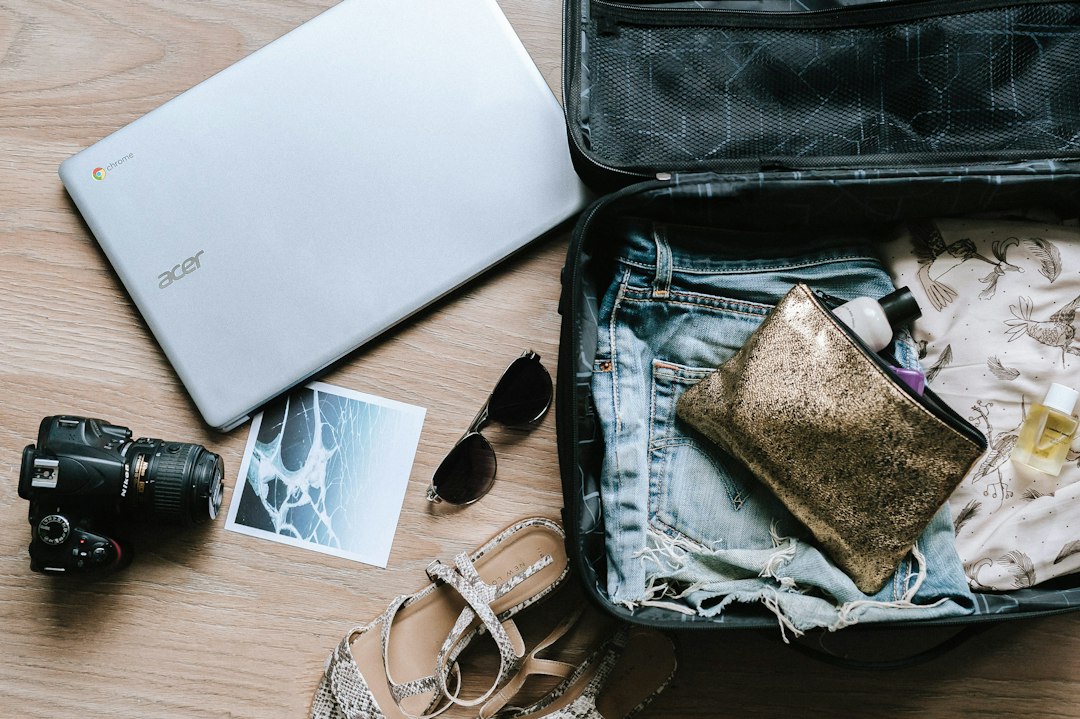
Decide what you need powered every day. Bring a single high‑capacity power bank, one multi‑port USB charger, and cables that service multiple devices (USB‑C if possible). Consider a small universal adapter if traveling internationally. If you rely on headphones for sleep or work, choose one versatile pair rather than packing extras.
Pack shoes and laundry smartly
Limit shoes to two pairs when possible: a comfortable walking pair and one that’s slightly dressier. Protect clothing by stuffing shoes with socks or small items to maintain shape and save space. Bring a lightweight laundry bag or compressible packing cube to separate worn items; a small bottle of laundry soap or sink detergent helps extend wardrobe options.
Protect important documents and money
Use a slim travel wallet or document organizer that holds passport, tickets, emergency cash, and a copy of your itinerary. Keep digital photos of key documents in secure cloud storage and on your phone. For longer trips, split cash and cards between two locations (wallet and luggage) to guard against loss or theft.
Small extras that reduce friction
- Collapsible water bottle to refill after security—saves money and prevents dehydration.
- Small sewing kit and stain wipes for minor emergencies.
- Foldable tote as an extra day bag or shopping bag.
- Compression socks for long flights if you’re prone to swelling.
When to check a bag (trade-offs to consider)
Check a bag when you need more than two pairs of shoes, are traveling with sports equipment, or require bulkier outerwear. Weigh the time cost (baggage claim) and the risk of loss against the convenience of not hauling luggage through transit. If checking, pack a change of clothes and essentials in your carry‑on in case of a delay.
One recommended travel product
If you want a practical, TSA‑friendly toiletry solution that keeps liquids visible and organized, a clear, foldable makeup/toiletry bag saves time at security and prevents spills in your bag.
Packing workflow to try tonight
- Lay out outfits by day—pick the top options for each activity.
- Assemble essentials (documents, meds, chargers) and set them aside.
- Pack shoes, then roll or cube clothing into the bag, heavier near the wheels.
- Bag toiletries in the clear pouch and place your carry‑on items where you can grab them quickly.
- Weigh your bag if you suspect you’re near airline limits and remove or swap items as needed.
- List day-by-day activities and build a capsule wardrobe.
- Pack documents, meds and one outfit in carry-on.
- Use packing cubes and a clear toiletry pouch for security.
- Bring a multi-port charger and one power bank.
- Separate dirty clothes with a laundry bag.
Smart travel packing is a mix of deliberate omissions and strategic inclusions: limit outfits to what you’ll use, keep crucial items in your carry-on, and organize with cubes and clear pouches so travel days run smoothly. Small investments—a good toiletry pouch, a compact power bank, and a packing routine—pay back in less stress and faster transitions.
How many outfits should I pack for a week-long trip?
Plan for 4–6 tops and 2–3 bottoms, plus one smart layer and two pairs of shoes if you aim to travel light; adjust if you need formalwear or specialized gear.
Can I bring liquids over 3.4 oz in carry-on?
Only in limited exceptions (medications, baby food) and you should declare them at security; otherwise, stick to 3.4 oz containers in a clear quart bag.
Are packing cubes worth it?
Yes—packing cubes speed packing and unpacking, keep dirty clothes separate, and make finding items easier without opening the whole suitcase.
What’s the best way to avoid overweight baggage fees?
Weigh bags at home, limit shoes and bulky items, wear heavier pieces on travel days, and move nonessential items to your carry-on if needed.
Should I bring a checked bag for a short trip?
For short trips under five days, a carry-on usually suffices; check a bag if you need extra gear or prefer not to manage a compact packing strategy.