Wishlist

Start from the finished room you want to live in
You should be able to sit down, find what you need quickly and feel that the room’s appearance matches your taste. That end result—functional order plus a clear visual character—is the target. Below is a practical sequence to get there: define zones, reduce and edit, add efficient storage, refine furniture and flow, then layer the styling that keeps clutter manageable.
Define usable zones so each area has one job
In small spaces, vague zones create clutter. Walk through your room and assign one clear role to each small area: work, sleep, lounge, dressing, entry. Use furniture placement or rugs to mark the boundary. Even a narrow console table by the door can function as an intentional "entry" zone for keys and mail instead of an ad-hoc dumping spot.
Declutter with quick rules that actually get finished
Reduce visible items before you buy storage. Use a simple three-box method: keep, donate/sell, archive. Set a 20–30 minute timer per surface (bookshelf, closet shelf, dresser top) to make the task manageable. Items you haven't used in six months in a small unit usually belong in donate/sell/archive.
Choose storage by function and visibility
Match storage type to how often you use items. Everyday objects need open or easy-access storage; occasional items can go in opaque bins or high shelves. Clear plastic bins work well for infrequently used things because you can spot contents quickly; shallow drawer organisers keep small daily items like chargers and stationery tidy.
Product suggestion: if your closet or pantry lacks structure, a stackable organizer creates extra vertical shelves without installation, ideal for folded clothes, bags or linens.
Make vertical space do the heavy lifting
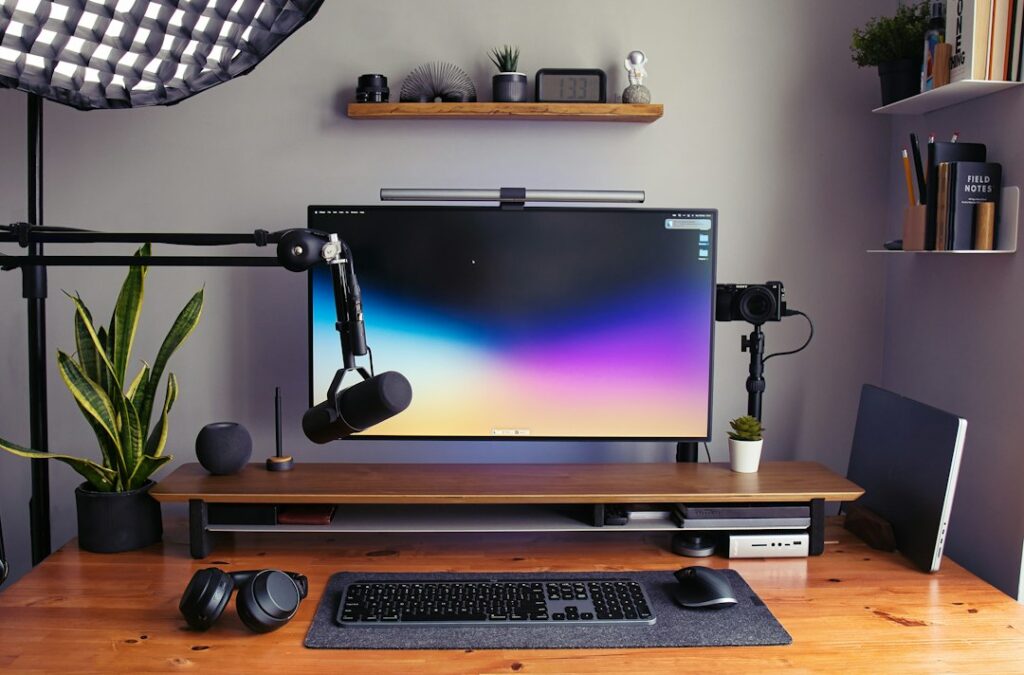
In a small footprint, wall and vertical solutions are the biggest multiplier. Install floating shelves above a sofa or desk for books and decor, add tall narrow bookcases beside windows, and use high hooks for bikes, bags or seasonal coats. When shelves reach eye level and above, the floor stays clearer and the room reads taller.
Pick furniture with more than one purpose
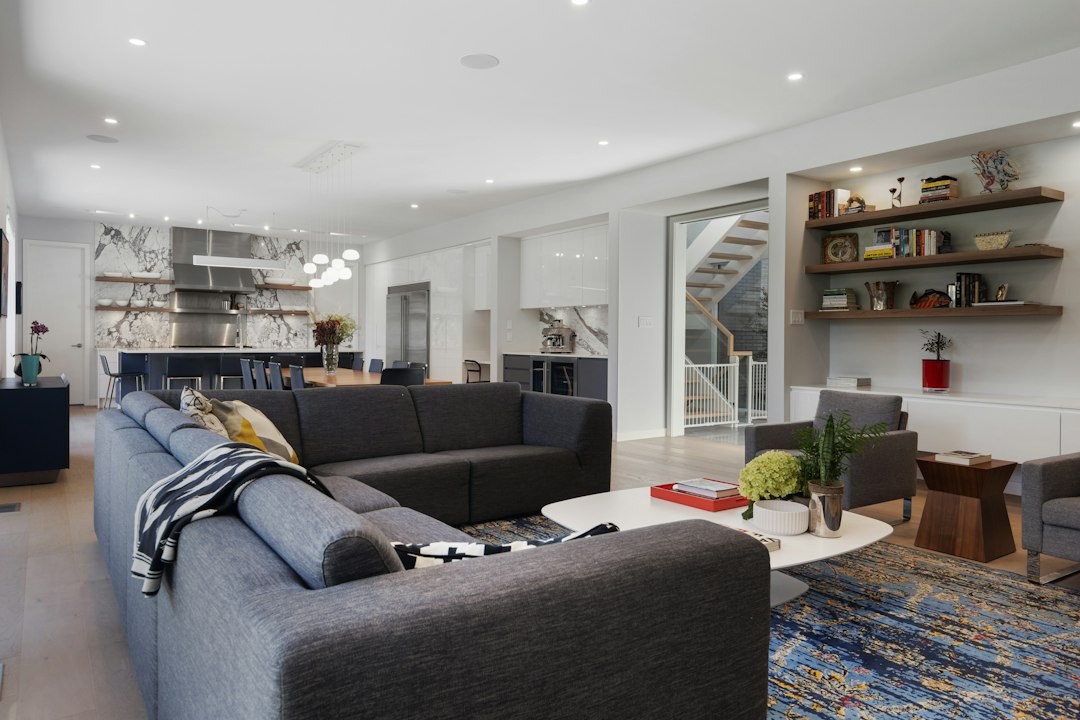
Multi-functional pieces reduce furniture count and hide clutter: a bench with internal storage for blankets, a coffee table with drawers, or a slim desk that doubles as a console. When choosing a sofa, prefer ones with exposed legs and slimmer arms—this preserves sightlines and makes a room feel less boxed in.
Arrange for flow and sightlines, not symmetry
In small rooms, avoid centering everything. Instead orient seating toward the room’s best light or the door to create a sense of openness. Leave narrow clearances (at least 18–24 inches) for main walking paths; place storage on the periphery so the central floor feels open. Open sightlines—unobstructed from entry to window—make a tiny space feel larger instantly.
Use a restrained palette and controlled surfaces
A limited color palette (two accent colors plus neutrals) reduces visual clutter. Keep large surfaces—floor, major furniture pieces—neutral, and add personality with a few decorative objects, pillows or art. Resist covering every surface: one styled shelf and one clear surface read as intentional; many small displays read as mess.
Lighting, mirrors and texture to expand perception
Layer lighting: overhead, task, and a warm lamp. Mirrors opposite a light source multiply brightness and depth. Use texture (woven baskets, a wool throw, a matte vase) rather than more objects to add warmth without sacrificing space. Proper lighting makes storage look purposeful rather than hidden desperation.
Keep systems simple so maintenance is realistic
Pick one tidy routine: a five-minute nightly reset clearing surfaces, weekly laundry and a monthly archive review. Systems that take too long won’t stick; make storage accessible and labelled so putting things away is faster than leaving them out.
Troubleshooting common small-space problems
Room still feels cluttered: Audit surfaces—if more than two horizontal surfaces hold items, you need more storage or edit. Target the worst surface first.
Storage looks messy: Swap mismatched containers for uniform bins or baskets; consistent containers create calm even when full. Clear bins are best for contents you need to locate fast; woven baskets are better for hidden softness like throws.
It feels cramped after adding storage: Check scale and legroom. Replace bulky closed cabinets with tall narrow units or open shelving to reduce visual weight.
When to invest and when to DIY
Spend on flexible storage that travels with you: stackable organizers, slim bookcases, and quality baskets. Save by DIYing surface upgrades—painting shelves, adding peel-and-stick hardware or repurposing boxes into labeled archive bins.
Related reading and quick next steps
If you want simple decor ideas to match your newly organized layout, see Easy Home Decor Ideas That Make Any Room Feel Better. For storage products across the home, browse our Home Organization & Storage category.

- Assign a single function to each zone (sleep, work, entry).
- Declutter one surface today with the three-box method.
- Add vertical storage (shelves or a tall bookcase) to clear floor space.
- Choose one multi-functional furniture piece to replace a bulky item.
- Swap mismatched containers for 2–3 uniform bins or baskets.
- Set a five-minute nightly reset routine and label archive boxes.
Small spaces feel better when you pair ruthless editing with targeted storage and consistent visual choices. Define zones, use vertical and multi-purpose solutions, and keep routines short so organization lasts.
How do I decide between open shelves and closed storage?
Use open shelves for everyday items and decorative keepsakes you want visible; choose closed storage for dust-prone, infrequently used, or visually busy items.
Will light colors actually make my small room look bigger?
Light colors help reflect light and create a sense of space, but balancing with contrast and texture prevents the room from feeling flat.
What’s the fastest way to reduce clutter in a small apartment?
Set a 30-minute timer and clear one horizontal surface completely, then contain items you keep in labeled bins so they’re easy to put away.
Are multi-functional furniture pieces worth the extra cost?
Yes when they replace a separate item (e.g., storage ottoman instead of ottoman + storage box); prioritize pieces that fit your daily routines.
How do I store seasonal items without losing living space?
Use high shelves, under-bed clear bins, or labeled archive boxes; rotate seasonally and reassess annually to avoid accumulation.