Wishlist
Quick answer: Pack the right essentials and plan time, weather and safety—then simplify.
The most useful takeaway for weekend outdoor adventures is this: build a small, tested kit around shelter, water, navigation and emergency basics, make one realistic route plan with time buffers and a weather check, and favor lightweight, multi-use items you’ve used once before. That combination prevents common trip problems—cold nights, lost time, and avoidable stress—so you enjoy the weekend instead of firefighting it.
What to carry: the compact essentials that actually matter
For a typical overnight or day weekend trip, prioritize items that solve the biggest risks first: exposure, hydration, and being unable to change plans.
- Shelter layer: A lightweight shell (waterproof/breathable) and an insulating midlayer. Even in summer, temperatures drop at night and storms happen.
- Water system: At least 1–2 liters accessible plus a purification method (tablets, filter straw, or UV pen) if you plan to refill from natural sources.
- Navigation: Map and compass; a charged phone with an offline map. Practice using the map before you go.
- Light and signaling: Headlamp with spare batteries and a whistle—both are small and lifesaving.
- First-aid basics: Blister care, tape, antiseptic wipes, pain reliever and any personal meds.
- Food and stove: High-calorie, easy-to-eat foods and a simple camp stove if you’ll cook. Freeze-dried meals or rice mixes are convenient.
Choose the right bag: capacity and waterproofing
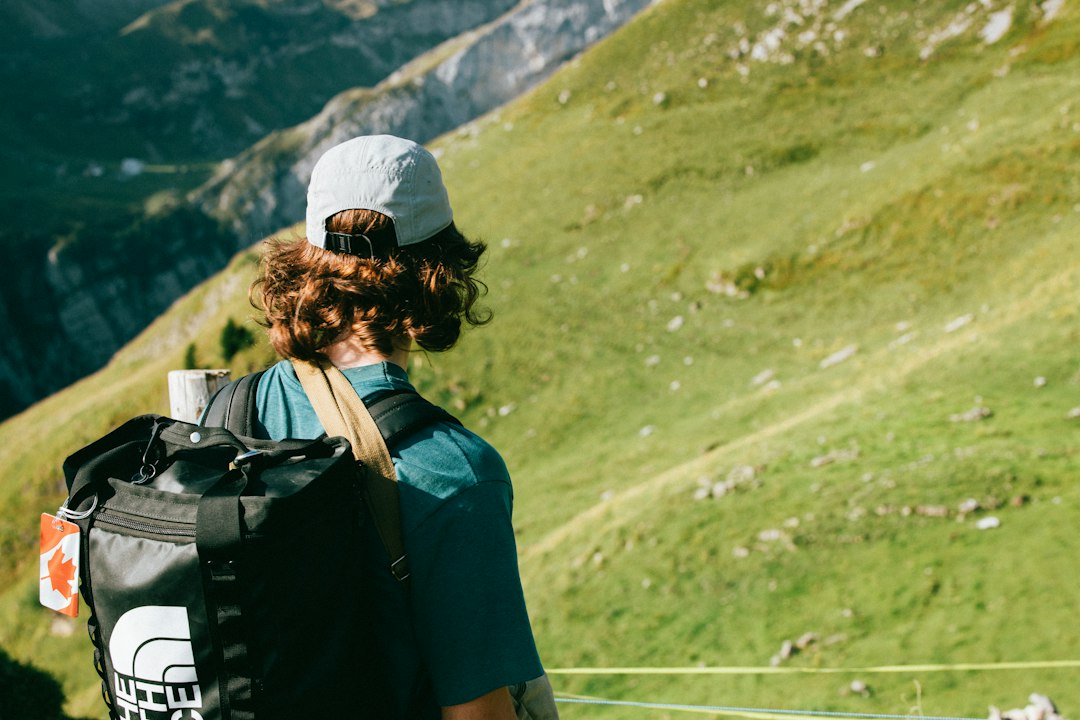
For a 1–2 night trip, a 20–35L pack is usually enough; day hikes do fine with 10–20L. Waterproofing matters: a dry sack or a waterproof backpack keeps sleeping layers and electronics safe if you get caught in rain. If you want a single recommended item that suits many weekend uses, a 30L dry backpack is a reliable all-round choice for moderate-load trips.
Packing smarter: layering, organization and weight tricks
Start with the “carry-on test”—if it would be annoying to carry for two miles, it’s probably unnecessary. Use these practical packing rules:
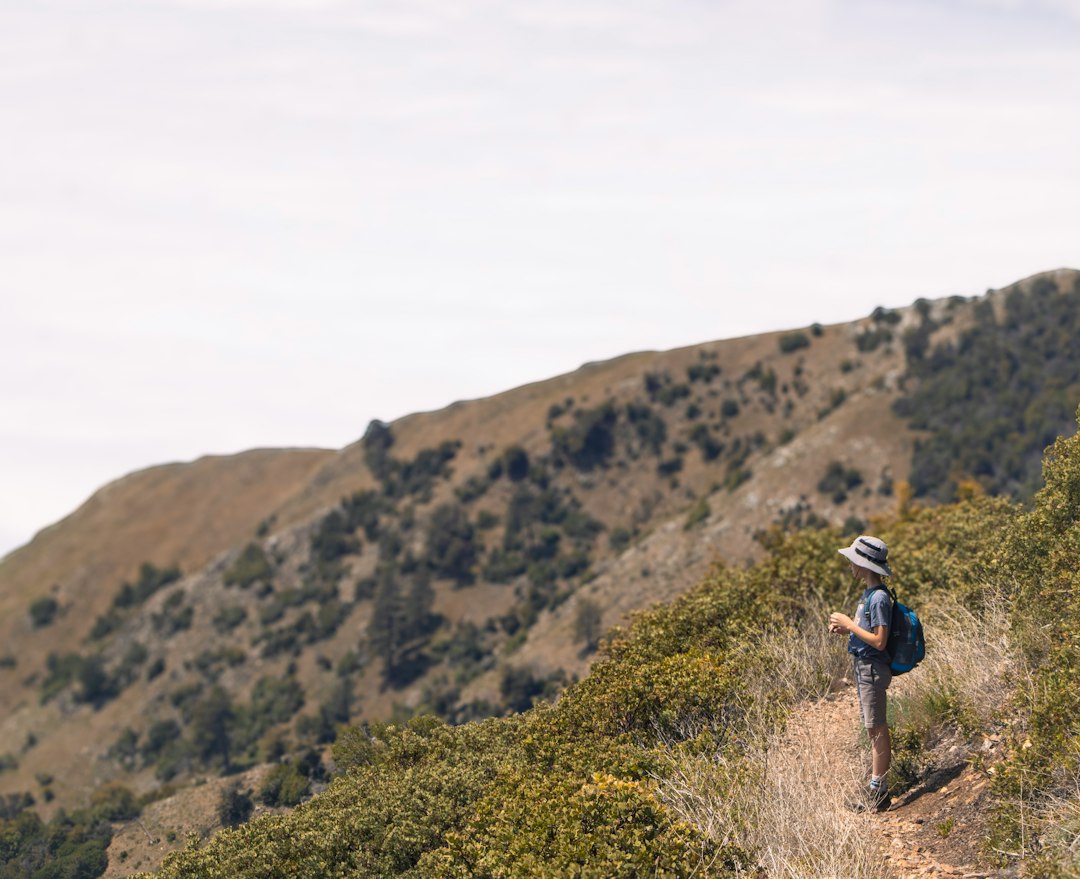
- Pack clothes in layers and store the warmest items at the top of the pack for easy access at breaks.
- Keep frequently used items (snacks, map, headlamp, rain shell) in hip-belt or top pockets.
- Distribute weight close to your back and high on the pack for stability: heavy items (water, stove) near the middle/back.
- Use small stuff sacks or zip bags for organization and to keep items dry.
Route and time planning: realistic goals win
Decide on a route that fits your group’s experience and daylight. A common mistake is planning “as-the-crow-flies” distances—trail mileage and elevation change matter far more. When you plan:
- Estimate pace conservatively: 2–3 miles per hour on rolling terrain, slower if steep or technical.
- Build in two buffers: one for delays (weather, navigation) and one margin so you don’t arrive at your campsite after dark.
- Share your route and expected return time with someone not on the trip.
Weather and timing: check, then check again
Weather often changes between the trip planning call and the trailhead. Check a reliable forecast the night before and the morning of departure, but also interpret it: a 40% rain chance doesn’t always mean cancel—adjust clothing and route instead. If storms or high winds are likely, opt for a lower-exposure route or postpone.
Safety in practice: small habits that prevent big problems
Safety doesn’t require heavy gear; it requires habits. Stay hydrated from the first mile; stop for short breaks every hour; monitor feet for hot spots and address blisters immediately. Navigate visually as well as digitally—landmarks on a map should match what you see. In bear country or with wildlife, store food away from sleeping areas and follow local guidance.

Cooking and food: fast, light, and morale-boosting
Food choices affect energy and mood. Bring a simple cook kit with a single pot, spoon/spork and fuel you’re familiar with. If you want very light, use no-cook high-calorie options for day hikes (nuts, bars, sausage). For overnights, a small canister stove and dehydrated meals balance convenience and weight.
Packing for comfort: small items that make a big difference
- Inflatable sleeping pad and warm bag rated a bit colder than expected conditions—temperature ratings are optimistic.
- Lightweight camp chair or sit pad for evening comfort if you car-camp or don't mind the weight.
- Toiletries: biodegradable soap, quick-dry towel and hand sanitizer.
Leave No Trace and simple stewardship
Follow Leave No Trace basics: pack out trash, minimize campfire impacts (use a stove where required), and camp at durable sites. Small actions—straying from fragile vegetation, leaving food scraps—compound quickly on popular weekend routes. Respect local rules about fires, dogs and waste disposal.
With a modest kit, conservative planning and the few small habits above, a weekend outdoor adventure will be safer, lighter and more enjoyable. Now use the checklist below to make sure you’re ready.
- Pack shelter, water/purifier, navigation, headlamp and first-aid.
- Choose a 1–2 night route with conservative pace and time buffers.
- Check weather twice (night before and morning of) and adjust clothing.
- Test your gear at home or on a short walk before committing to remote terrain.
- Leave the plan with someone and carry a whistle and phone with offline map.
Keep the kit small but decisive: a waterproof pack, layers, water solution, navigation tools and basic emergency items. Plan a realistic route with time buffers and respect weather and local rules. Test gear beforehand—comfort and safety follow from preparation, not more stuff.
How much water should I bring for a weekend hike?
Bring at least 1–2 liters per person for a day hike and plan to refill from reliable sources for overnight trips; carry a purifier or tablets if refilling from streams.
Can I skip a stove and eat only cold food?
Yes for day hikes—high-calorie, no-cook foods work well. For overnight trips, a small stove improves meal variety and morale, and warms you if temperatures drop.
What’s the best way to stay warm at night?
Layering is key: an insulating midlayer, a sleeping bag rated a bit colder than the forecast, and an insulated sleeping pad reduce heat loss most effectively.
How do I choose between a 20L and 30L pack?
Base it on trip length and gear: day trips with minimal extras fit 20L; 1–2 night trips with a stove, sleeping bag and extra layers usually need around 30L.
What quick safety checks should I do before leaving the trailhead?
Confirm group headcounts, check weather one last time, verify route and turnaround time with everyone, and ensure phones and headlamps are charged and accessible.