Wishlist
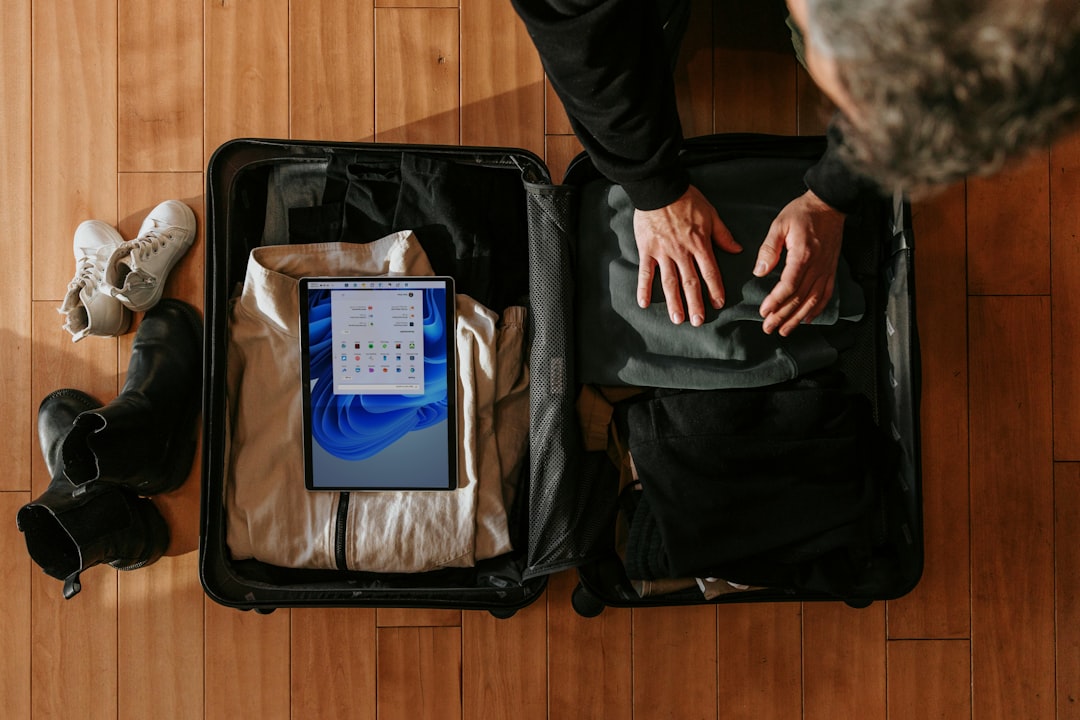
Start with the result you want: a lighter bag that’s easy to unpack and maintain
Organize travel gear so you can find things quickly, avoid duplicate items, and keep weight under control. The goal is not to strip down to bare minimums but to make deliberate, repeatable choices about what you carry and how it’s stored.
Decide your essentials before you touch a bag
Before you pack, list the trip’s must-dos: meetings, hikes, dining out, weather-dependent activities. From that, create three item tiers—nonnegotiable (documents, medications, one outfit for each key activity), useful (second pair of shoes, extra shirt), and optional (duplicate tech, accessories). This removes emotional “maybe” items that become clutter.
Choose the right organizer tools for your style
Good organizers make you accountable. Packing cubes, a clear toiletry bag, a small electronics pouch and one shoe bag are enough for most trips. Avoid owning more sizes and types than you’ll actually use: pick two cube sizes (one for tops, one for bottoms), one compression layer if you need extra space, and a single translucent toiletry case for airport checks.
Product suggestion: If you want one versatile bag that serves multiple trips and fits in carry-on or checked luggage, consider a heavy-duty duffel that compresses well and has external pockets for quick-access items.
Pack by outfit and activity, not by item category
Lay out complete outfits for each day/activity rather than stuffing all shirts together. That keeps choices purposeful and prevents overpacking “just in case” extras. For a five-day trip: plan three day outfits, two evening outfits, and a lightweight layer—adjust based on laundry access. Use one packing cube per outfit group (e.g., daytime, evening, workout).
Folding vs rolling and where to use each
- Roll knit and casual items to save space and reduce creasing.
- Fold structured garments (blazers, dress shirts) and place them flat on top or in a garment sleeve.
- Use a thin compression cube only when space is tight; compression hides bulk but can encourage overpacking small items.
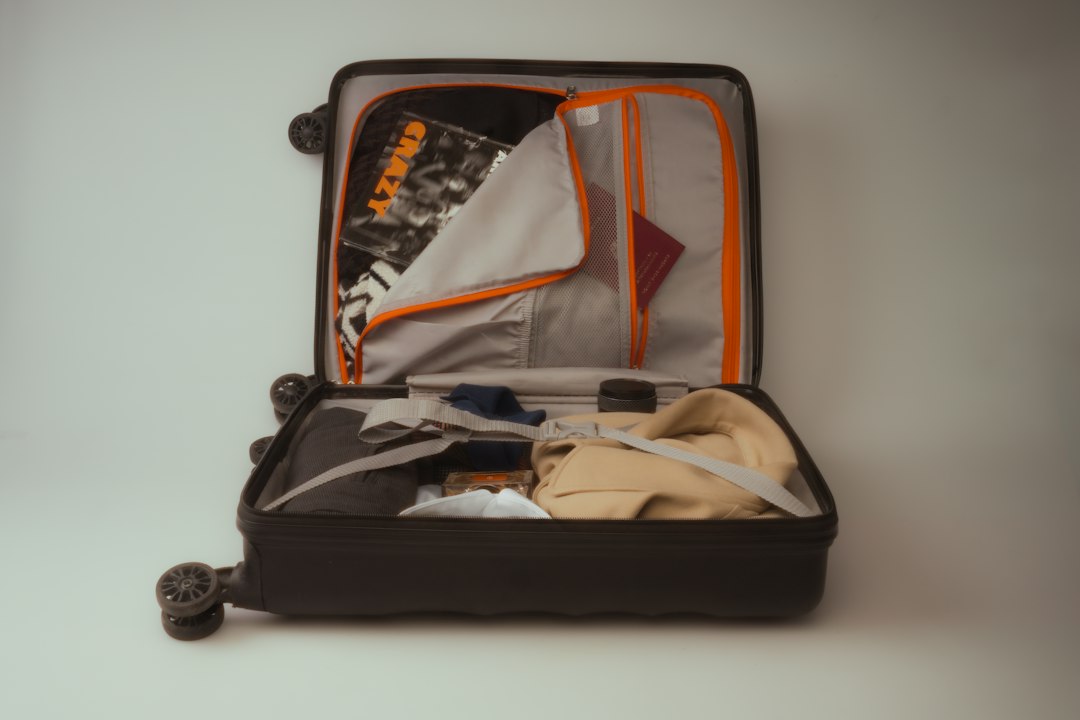
Organize toiletries and small items so they’re visible and legal
Place toiletries in a clear, leakproof bag near the top of your carry-on for easy security access. Transfer liquids to travel-sized bottles and only bring what you’ll use; multipurpose items (sunscreen that doubles as moisturizer) cut down quantity. Keep a small emergency kit—bandages, a few analgesics, stain remover wipe—in an external pocket for quick retrieval.
Contain electronics and cords to avoid tangles and weight surprises
Assign a single electronics pouch for chargers, power bank, headphones and adaptors. Pre-charge power banks and store them in carry-on per airline rules. Keep daily-use items (phone, wallet, passport) in an inner-facing pocket of your daypack so you don’t unpack the whole bag for one item.
Use shoe and dirty-clothes containment strategically
Pack shoes in a thin shoe bag or shower cap and place them against the suitcase wall to use the cavity under folded clothes. Bring one lightweight laundry bag for dirty clothes—this prevents rewearing odors and makes laundry decisions simpler. If you expect to do laundry, halve the number of clothing changes and plan quick-dry fabrics.
Layer for flexibility and trim weight
Swap bulky single garments for thin layers that serve multiple roles (merino base layer, packable down, windbreaker). Layers reduce the need for extra outfits and help you respond to weather variance without packing a heavier coat.
Final packing checklist and real-weight test
Before zipping up: lay everything out and apply the two-item rule—if two items serve the same purpose, remove one. Zip the bag, lift it—if it’s heavier than you can comfortably carry for 10–15 minutes, remove nonessential items until it’s manageable. For carry-on, keep the toiletry bag, electronics pouch and one easy-access layer at the top.
Troubleshooting common overpacking problems
- Feeling like you “might need” extra shoes: limit to two pairs—one versatile day pair and one dress or activity shoe—and wear the heavier pair on travel days.
- Too many chargers and cables: prioritize one multi-port charger and one cable for each essential device; leave duplicates at home.
- Difficulty closing the bag: remove one bulk clothing item or place a thin sweater in your wear-on plane layer.
When to adapt this system
Long trips with laundry access: aim to rewear items and reduce totals by 30–40%. Adventure travel: favor durable quick-dry fabrics and a small repair kit; add a dedicated dry bag for wet gear. Business trips with formal events: carry a travel garment bag or pack wrinkle-release sachets and plan outfits that share shoes and outerwear.

Quick links for related planning
For more packing strategy and stress-free routines, see our guide on smart travel packing tips.
- List trip activities and create three item tiers.
- Limit organizers: two packing cube sizes, one toiletry bag, one electronics pouch.
- Pack outfits (not items) and apply the two-item rule.
- Do a lift test and remove until comfortable.
- Use layers to replace bulky single garments.
Organizing travel gear without overpacking comes down to planning outfits by purpose, using a few reliable organizers, and making final edits with a tangible weight test. This approach saves time, reduces stress, and keeps your bag functional on arrival.
How many packing cubes do I really need?
Two to three cubes cover most trips: one for tops, one for bottoms/underwear, and an optional small cube for workout or evening clothes.
Are compression bags worth it?
Use compression bags sparingly—helpful when space is extremely tight but prone to encouraging extra items and can add weight.
What’s the best way to pack liquids for carry-on?
Place travel-size bottles in a clear leakproof bag and pack it at the top of your carry-on for easy access during security screening.
How do I avoid overpacking shoes?
Limit shoes to two pairs: the pair you'll wear on travel days plus one activity/dress pair. Store the lighter pair inside a shoe bag against the suitcase wall.