Wishlist
When you get home tired and hungry, the last thing you want is a long, fiddly recipe
Picture this: it’s 6:30 p.m., you’ve got 40 minutes before dinner needs to be on the table, and the fridge holds a half‑bag of greens, a few tomatoes and a lonely chicken breast. Smart cooking tips can turn that stressful scene into a predictable, faster routine without sacrificing flavor. Below are practical, testable habits and techniques that save time, cut waste and make weeknight meals easier—starting tonight.
1. Build a “fridge rescue” kit
Keep a small tray or drawer with staples that instantly upgrade leftovers: a lemon, a jar of preserved capers or olives, a block of Parmesan, chili flakes, and a bottle of good olive oil or soy sauce. When a dish tastes flat, a squeeze of acid, a salty bite and a fat usually fixes it.
2. Use mise en place for 10 minutes before you start
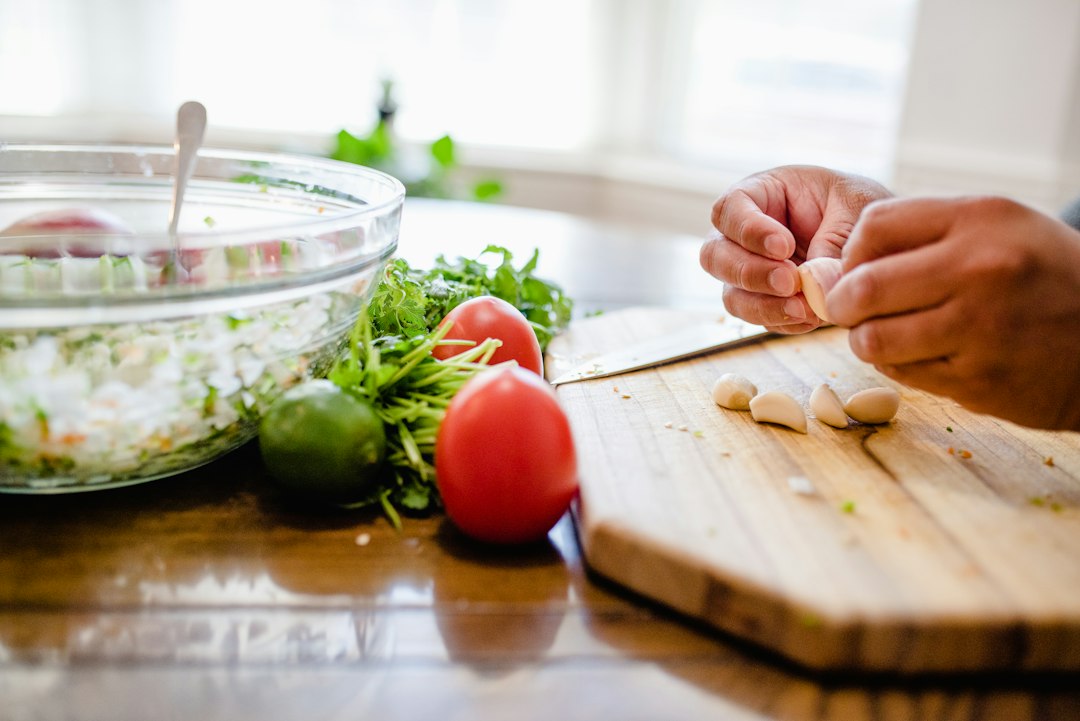
Spend the first 10 minutes gathering and prepping everything—measure spices, wash greens, and cut aromatics. That short setup prevents last‑minute hunting and tiny interruptions that add up. For complex weeknight recipes, mise en place can cut total time because you avoid repeated on/off stove time.
3. Lean on one‑pot and sheet‑pan meals
One-pot pastas, sheet-pan salmon and roasted vegetable-and-protein trays reduce active time and cleanup. Choose ingredients that cook at similar rates (e.g., salmon fillets and thicker-cut root vegetables need different timing; trim vegetables small or par-cook the denser pieces). Finish a sheet-pan roast with a quick pan sauce or herb sprinkle to lift flavors.
4. Cook once, eat three ways
Batch-cook a base protein or grain and repurpose it: roast a tray of chicken thighs—dinner with roasted veg, lunch as chicken salad, and night-two tacos or grain bowls. This reduces daily decision fatigue and turns a single longer cook session into multiple easy meals.
5. Time your multitasks around “passive” cooking
Use passive cook times—roasting, braising, simmering—to do small prep tasks like chopping salad ingredients or making a quick dressing. Set a timer and treat the minutes the oven or slow cooker is working as guaranteed productivity windows.
6. Learn three knife skills that speed prep
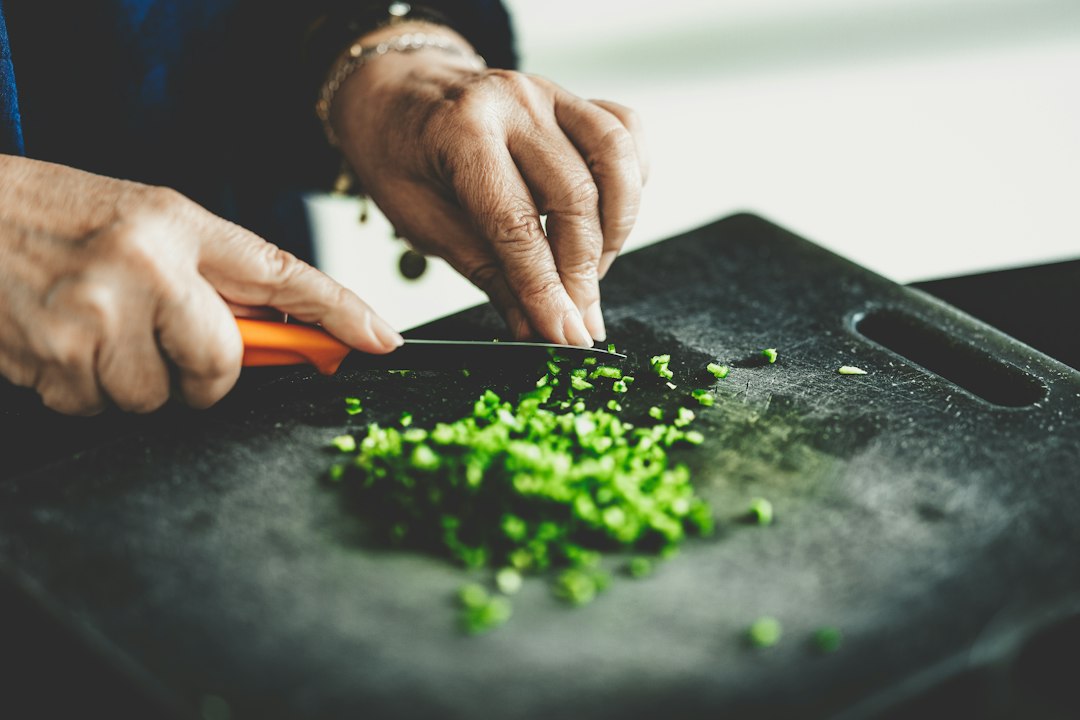
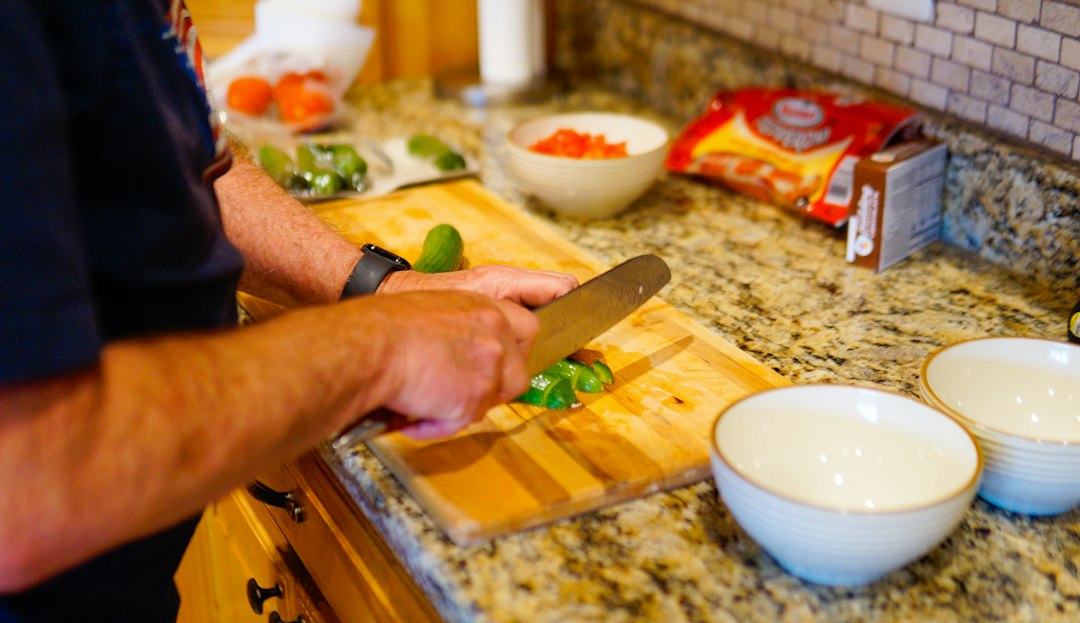
Master the rocker chop for herbs and aromatics, the julienne for peppers and carrots, and how to butterfly chicken breasts to cook evenly. Faster, consistent cuts mean more even cooking and shorter pan time; safety and speed come with a little practice.
7. Use smart ingredient swaps to avoid extra steps
If a recipe calls for roasting tomatoes to concentrate flavor, substitute sun‑dried tomatoes or a spoonful of tomato paste to cut the roasting step. Frozen vegetables can be just as nutritious and are often blanched, which removes the need to precook certain items.
8. Keep a small set of go‑to sauces
Three versatile sauces—one vinaigrette, one pan sauce made from pan drippings and stock, and an easy spicy soy‑garlic glaze—can transform proteins and vegetables without complicated recipes. Store them in glass jars for quick use.
9. Smart storage: plan for reuse before you cook
When you cook extra, store meals in portioned airtight containers so reheating is straightforward. Label containers with date and intended use (e.g., “lunch bowl”). Freeze portions you won’t eat in 3–4 days to avoid waste.
10. Invest in one small appliance that fits your life
If you regularly need faster reheating and simple presets, a compact countertop microwave with reliable presets can be the time-saver that actually gets used daily. It helps with quick steaming, melting butter, or reheating portions without firing up the oven.
The Chefman countertop microwave (ID 3502) is a practical pick for households that want fast, no‑fuss reheating and simple cook presets—useful for steamed veggies, mug meals and defrosting proteins safely.
11. Use timers and a “finish‑line” plate
Set multiple timers: one for the protein, one for the starch, one for finishing sauce. Keep a “finish” plate nearby to collect items as they come off the heat; assembling there makes plating faster and reduces countertop clutter.
12. Quick seasoning checklist—taste before you serve
Always taste at the end and ask three quick questions: does it need acid, salt, or texture? Often a tiny acid (vinegar/lemon), a pinch more salt, or toasted nuts/croutons fixes the last 20% so leftovers don’t feel stale.
13. Make cleanup part of the cooking flow
While something simmers, soak the pan you used earlier; wipe counters immediately; scrape bowls into compost or trash as you go. A clean kitchen after dinner feels as important as the meal itself and reduces resistance to cooking the next night.
- Pick one staple sauce to make and store this week.
- Block 10 minutes before cooking to organize mise en place. <li Roast or grill a double batch of protein for repurposing.
- Label and date meal portions before refrigerating/freezing.
- Keep a small fridge “rescue” tray for last-minute flavor boosts.
Smart cooking is less about buying gear and more about predictable habits: short prep routines, reusable building blocks, and intentional storage. Choose one technique that fits your week—then refine it the next week.
How do I start batch-cooking if I have limited fridge space?
Cook in small batches and freeze single portions, or prioritize proteins like cooked beans and grains that compactly store; label clearly and use what’s oldest first.
Are one‑pot meals healthier than separate components?
Not inherently—one-pot means convenience. Control nutrition by adding vegetables, using moderate oil, and choosing whole grains or lean proteins.
What’s the easiest way to add flavor to bland leftovers?
Add an acidic element (lemon or vinegar), a salty ingredient (soy sauce or anchovy paste), and a fresh herb or crunchy topping to brighten texture and taste.
Which small appliance most reliably saves time?
For reheating and quick cooks, a dependable countertop microwave with presets is universally useful; multicookers help if you want set-and-forget batch meals.