Wishlist
What matters (and what you can ignore)
Not every kitchen needs a full makeover. Focus on what actually gets in the way of cooking: crowded counters, messy drawers, hard-to-reach items and food you forget you have. You can safely ignore styling trends, single-use gadgets, and perfectly matched containers unless they solve a real pain—keep solutions simple, durable and easy to maintain.
Quick wins to clear counter clutter
- Adopt the “one-foot” rule: keep only items used at least once a week on the counter (coffee maker, knife block, fruit bowl). Stow away occasional appliances in cabinets.
- Create a small daily landing spot: designate a tray or shallow basket for mail, keys and reusable bags so clutter doesn’t spread across the surface.
- Mount or hang where possible: a wall rack for knives, a magnetic strip for spice tins, or a rail for utensils frees surface area and keeps essentials visible.
Make drawers work harder
Drawers often become abyssal catch-alls. The right internal layout is more important than buying new furniture.
- Use adjustable drawer dividers or clear organizers to group tools by task: prep (peelers, paring knives), cooking (spatulas, tongs), and small baking tools. Plastic drawer trays are inexpensive and easy to clean.
- Store seldom-used items (holiday cookie cutters, specialty pans) in higher or lower cabinets, not the everyday cutlery drawer.
- Keep one slim drawer for frequently used wraps and foil—upright file-style storage makes them easier to pull out and prevents boxes from collapsing.
Pantry and cabinet strategies that save time
Clear lines of sight and consistent containers reduce forgotten food and expired ingredients.
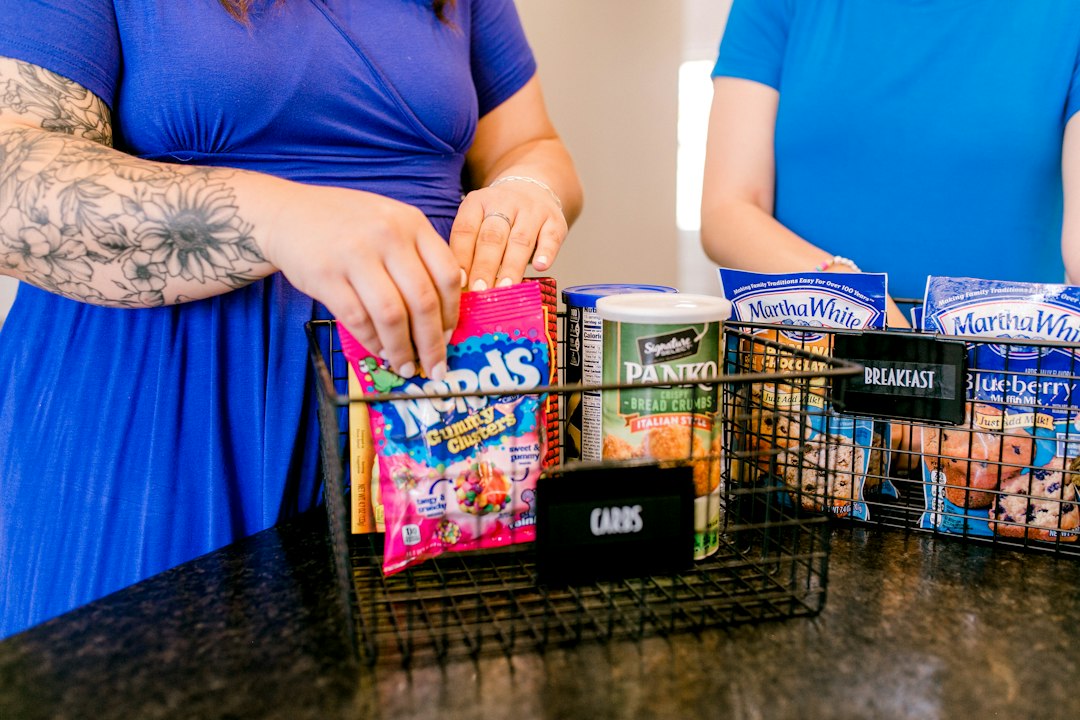
- Group by use: baking, breakfast, snacks, canned goods—store each group together so you grab everything for a task at once.
- Use clear, labeled containers: transfer loose items like rice, cereal and flour into clear bins or jars. Labels with fill dates help rotate stock and avoid waste.
- Reserve eye-level for staples: place everyday items where they’re easy to see; move occasional or overflow items to top or bottom shelves.
- Consider stackable shelving or baskets: these create layers inside deep cabinets so nothing gets lost at the back.
Under-sink and vertical storage: small changes, big payoff
Under-sink spaces are awkward but perfect for pull-out or vertical solutions.
- Install a shallow pull-out tray or sliding basket to reach cleaning supplies without kneeling. If drilling isn’t an option, use tiered bins that pull forward.
- Use tension rods for spray bottles or small baskets hung from the cabinet door for sponges and brushes.
- Think vertical for pots and lids: a simple lid organizer or vertical dividers keep lids upright and accessible.
Sensible spice and small-jar organization
Spices are tiny but essential. Choose a single consistent system and stick with it.
- Arrange spices alphabetically or by cuisine type on a single shelf or in a drawer with a spice insert so you can find them without moving dozens of jars.
- A small lazy susan inside a cabinet or on a counter is an easy solution when shelf space is limited.
Plan a meal-prep station
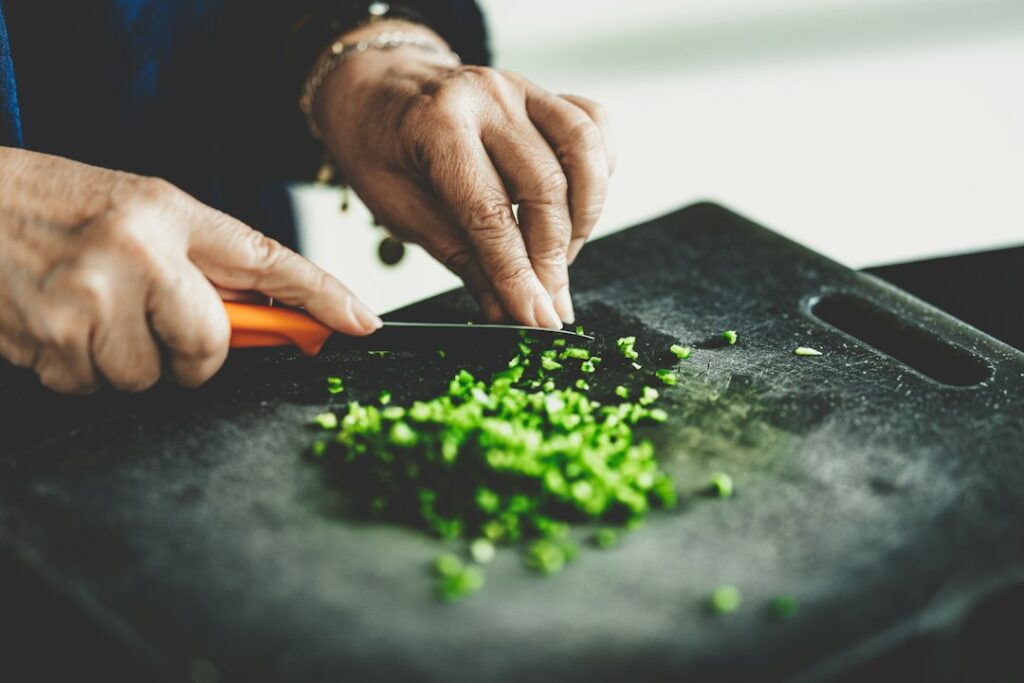
Designate a small area for chopping, measuring and staging ingredients to avoid moving bowls and cutting boards across the kitchen during cooking.
- Contain the station: one cutting board, a container for scraps, a bowl for prepped ingredients, and a small tray for frequently used spices and oils.
- Keep a portable caddy nearby with measuring cups, spoons, and a timer—grab it when you start cooking and return it to a cabinet when done.
Introduce useful products without overbuying
If you need a single multi-use solution, clear modular bins are a reliable first purchase: they work in cabinets, pantries and on shelves.
This 12-pack of clear storage bins is a solid base for sorting snacks, packets, and loose pantry items; the same bins can be used in drawers or on open shelving for consistent visual order.
When to upgrade to shelving or racks
If a cabinet consistently overflows or pots and pans stack dangerously, prioritize a sturdier solution: a wire shelving unit or freestanding rack adds usable horizontal space without a remodel. Treat this as the next step only after decluttering—extra shelving only amplifies disorder if you keep too much.
Maintenance habits that actually stick
- Do a 10-minute nightly reset: wipe counters, return items to their zones, and empty the compost or trash if needed.
- Schedule a 15–30 minute monthly pantry sweep to check for expired food and reorient containers.
- When adding a new gadget, remove one older or redundant item—space is finite, so replacements help prevent build-up.
Small decisions that prevent backsliding
Labeling, consistent containers and a simple rule for counter items are low-effort choices that create lasting habits. If your family’s routines differ, set small rules—like “no dishes left overnight” or “used baking tools go into the dishwasher immediately”—and make them part of shared chores.
- Clear counters: keep only weekly-use appliances visible.
- Organize one drawer with dividers this week.
- Move pantry loose items into clear labeled containers.
- Add one pull-out or vertical organizer under sink or in a cabinet.
- Do a 10-minute nightly reset for one month to build the habit.
Make visible, repeatable decisions: one counter zone, organized drawers, and clear pantry containers. Tackle the worst hot spot first, add one storage piece if needed, and maintain with short daily and monthly routines.
How do I choose what stays on the counter?
Keep only items you use daily or several times a week; everything else should have a dedicated cabinet or stored away. A single tray for small items reduces visual clutter.
Are clear bins worth the cost?
Yes—clear bins make contents visible and stack well, reducing food waste and duplicate purchases. Start with a few sizes that fit your shelves.
What’s the easiest drawer to organize first?
Start with the utensil drawer: it’s small, visible, and quick to improve with a divider, which builds momentum for larger projects.
How do I keep spices from becoming a mess?
Pick one storage method—drawer insert, labeled jars on a single shelf, or a lazy susan—and transfer mismatched packets into uniform containers for easier scanning.
Can I organize a small kitchen without spending much?
Yes—decluttering, repurposing shoebox-sized containers, and creating zones are low-cost steps; buy one multifunctional product only after those changes.