Wishlist

You rush out the door, spend five minutes searching for your keys, and later discover socks scattered behind the couch. That familiar morning scramble isn't inevitable—small, repeatable home organization habits can remove the friction that turns minutes into stress every day. Below are straightforward routines you can start tonight and keep doing without a lot of effort or extra stuff.
Start at the door: a 30-second entryway reset
Why it matters: The moment you enter or leave the house sets the tone for the whole day. A tiny habit at the threshold prevents repeated searches and last-minute chaos.
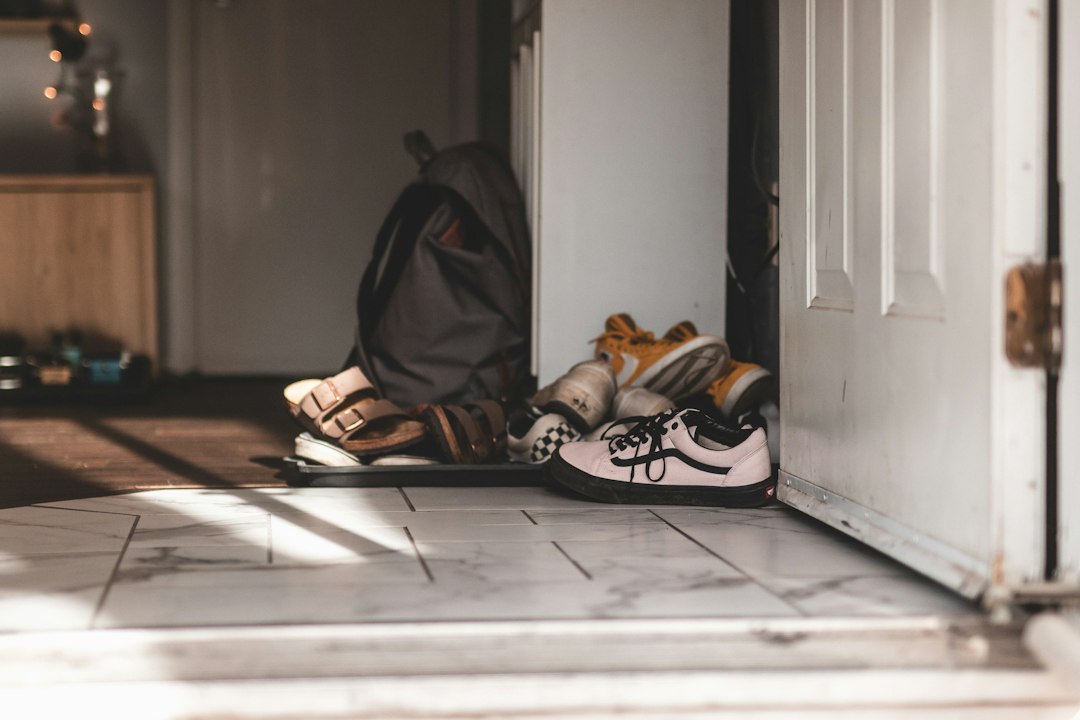
- Designate one spot for keys, wallet, and daily shoes—hooks, a shallow tray, and a low shoe shelf work well together.
- Make the ritual: before you sit down, drop keys in the tray, put shoes on the shelf, and hang a jacket. It should take about 30 seconds.
- Keep one multi-purpose basket for things that don’t belong by the door (mail, library books). Empty it once daily into the proper places.
End-of-day 5-minute kitchen reset
Why it matters: A clear kitchen in the morning saves time for breakfast and reduces stress. The reset prevents dishes and clutter from multiplying overnight.
- Set a timer for five minutes after dinner: load the dishwasher (or wash a few items), wipe counters, and clear the table.
- Put leftovers in labeled containers immediately so they don’t get forgotten. Keep a small basket for lids and small items to return to cabinets at once.
- Simplify: pick one surface (e.g., the island) as the “no-stash” zone—if something lands there, move it before bed.
Build a nightly “launch” routine for the morning
Why it matters: Reducing decisions in the first 10 minutes after waking saves disproportionate time and mental energy.
- Prepare clothes and a bag the night before. Keep a simple checklist by the door or as a short note on your phone.
- Create a small “launch tray” on your nightstand for wallet, watch, glasses and phone charger so you can grab-and-go.
- For parents: pack kids’ backpacks and place shoes by the door as part of the same five-minute window.

Contain flat-surface clutter with a single daily sweep
Why it matters: Counters and tables attract items, and five minutes of daily maintenance prevents hours of later cleanup.
- Choose one time (after dinner or before bed) and do a quick sweep: gather loose papers, toys, chargers and put them in their dedicated homes.
- Use small clear bins or drawer organizers for frequently misplaced items—visible containers reduce decision time when you need something.
- If you’re short on storage, limit each flat surface to two items maximum: the fewer objects you allow, the less you’ll round up later.
Make habits frictionless: the two-item rule and visible storage
Why it matters: The more a habit fits the way you already live, the more likely you are to keep it.
- Two-item rule: when you take two actions (like coming in with groceries), pair them with one organizational action (put away perishables, toss packaging in recycling).
- Visible storage speeds decisions—clear bins or labeled containers let you see contents immediately so you don’t dig around.
- Limit choices: store seasonal or rarely used items out of sight; keep daily-use things accessible to cut retrieval time.
Reduce laundry friction with staging and short habits
Why it matters: Laundry often becomes a time sink because of one-off delays—staging and tiny repeated actions stop backlogs.
- Keep a small basket in the bedroom for nightly clothes to drop in. Carry it to the laundry room once full—no daily carrying is required.
- Fold a single load while watching a show or during a commute-time block—pairing chores with another low-effort activity turns them into habit.
- Consider a simple sorting system: lights/darks labeled hampers save decision time when you start a load.
Workspace habits that shave minutes off work sessions
Why it matters: A tidy desk helps you start work faster and find what you need without interrupting focus.
- At the end of each work session, spend 60 seconds clearing the desktop: throw away trash, put pens back, close tabs that are no longer needed.
- Use a designated charging station and cable organizer so devices are always ready to go.
- Keep one inbox tray for active documents—archive or file everything else weekly to keep the pile manageable.
Where to simplify instead of adding steps
Good habits are about subtraction as much as addition. If a routine needs more than two new actions, cut it back.
- Skip over-organization: don’t label every small thing if you already know where it lives—labeling is for shared spaces or items you regularly misplace.
- Favor multi-purpose zones: one shelf for mail and keys works better than separate micro-systems you must maintain.
- Automate where it helps—set reminders for weekly tasks, but avoid too many notifications that require triage.
Product note: If you need a versatile storage option for kitchen, closets, or office drawers, clear plastic storage bins (like the 12-pack shown above) make labeling and visibility simple—use them for frequently lost items, kids’ craft supplies, or pantry overflow.
- Entryway: keys, shoes, and bag in their spots before you sit down.
- Kitchen: five-minute wipe-and-load after dinner.
- Nightly: clothes and launch tray prepared for morning.
- Flat surfaces: 60–120 second sweep to clear clutter.
- Workspace: 60-second end-of-session tidy.
- Laundry: one focused carry or fold habit tied to another routine.
Focus on a few under-two-minute habits placed at natural transition points—arrival, bedtime, end of meal, end of work. Use visible containers and one consistent home for daily items to reduce decision-making and reclaim minutes every day.
How long before these habits feel automatic?
Many people find simple habits stick after about two to three weeks if tied to an existing routine (like before bed or after dinner). Keep them minimal to increase adherence.
How can I involve housemates without nagging?
Assign one clear, simple role to each person (e.g., keys, shoes, mail). Make expectations specific and brief—“hang jacket and put shoes on shelf”—so it's easy to follow.
Are labels necessary for small families?
Labels help most when multiple people share storage or when items are frequently misplaced; for single-person households, visible containers alone are often sufficient.
Where can I learn more about making small rooms feel organized?
See our guide on making small spaces feel more organized and stylish for room-specific strategies and storage ideas.