Wishlist
Quick takeaway: focus on three habits—daily declutter, a place-for-everything, and one small weekly reset
If you adopt a two-minute declutter each day, add targeted storage where mess forms (seat-backs, center console, trunk), and spend 10–15 minutes once a week wiping surfaces and emptying trash, your car stays noticeably cleaner with minimal hassle. These are car organization tips that work because they trade heavy cleaning for predictable small actions.
Start with a fast baseline: two-minute daily declutter
Before you add bins or gadgets, change what you do after every trip. Keep a small routine: take out obvious trash, place loose items you want to keep (sunglasses, receipts, reusable bags) into a single "keep" spot, and drop dirty clothes or shoes into a laundry bag. Two minutes at the driveway or in the garage prevents slow accumulation that makes big cleanings necessary.
Why this earns first place
Clutter multiplies. Removing one coffee cup today prevents five cups next week. This habit is about preventing work, not adding it.
Choose the right "anchors": where most mess starts and what to contain there
Mess tends to repeat in predictable zones. Match simple containers to those zones rather than scattering storage everywhere.
- Seat-backs: install a multi-pocket seat-back organizer for tablets, tissues, water bottles and kids' small toys—keeps things off the floor and easy to grab.
- Center console: use a small tray or divider for daily essentials (phone, wallet, sunglasses) so they don't migrate across cupholders and seats.
- Door pockets: reserve for items you use while driving (parking cards, change) and keep a single, slim pack of baby wipes or sanitizing cloths handy.
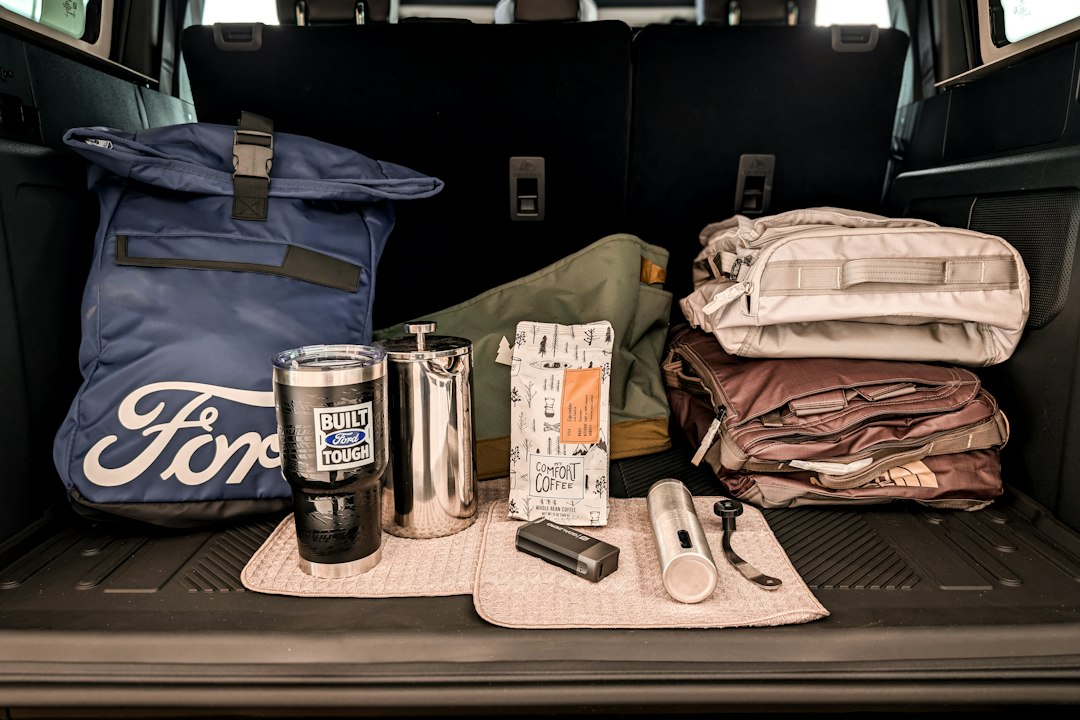
- Trunk: store emergency gear and reusable grocery bags in a collapsible trunk organizer so loose items don’t roll around; keep a soft-sided bin for cold groceries to protect paper bags and produce.

One helpful product choice: a quality trunk organizer
If you only buy one thing, choose a sturdy, foldable trunk organizer with compartments and a reinforced base. It contains groceries, sports gear and loose items, and you can collapse it when you need full trunk space.
Use-case: you routinely carry groceries, gym gear or kid equipment and want a single solution to prevent items from sliding and creating trash in the cabin.
Limit storage—don’t create more hiding places for clutter
People often buy many small containers and end up scattering stuff among them. Use fewer, slightly larger containers in the anchor spots. For example, one seat-back organizer plus one console tray and one trunk organizer covers most needs; additional bins only encourage stashing unknown items.
Trash and quick cleaning tools to keep handy
Designate a small, easy-to-empty trash receptacle and place it where most trash collects (center console or passenger footwell). Keep a microfiber cloth and travel-size interior cleaner in the trunk or glovebox for quick wipe-downs after transporting pets, groceries or messy projects.
Make the weekly reset efficient
Spending 10–15 minutes once a week prevents deep cleans. Follow this mini checklist: empty all trash and small containers, vacuum quickly (a cordless handheld is ideal), wipe down high-touch surfaces (steering wheel, shifter, touchscreens), and reorganize anything that migrated. Doing this at a predictable time—Sunday evening or after grocery runs—turns it into a habit.
Smart habits that simplify rather than add steps
- Adopt "one in, one out" for non-essential items: if you pick up a new book or bag, remove one old item.
- Use a single reusable grocery bag and keep it folded in the trunk organizer—no more random plastic bags in seats.
- Keep cleaning supplies consolidated so you’re not tempted to skip the weekly wipe because you can’t find the cloth.
Handling common complications
Passengers, kids and pets increase the load. For families, dedicate one seat-back pocket as a "kid zone" with crayons, a snack pouch and a small trash bag. For pet owners, keep a washable seat cover and a lint brush in the trunk so fur removal isn’t a high-friction task.
When to upgrade storage versus simplify
If items are repeatedly in the wrong place (e.g., gym clothes always end up on the seat), upgrade targeted storage: a waterproof under-seat bin or a hook behind the seat for a gym bag can fix a single pain point. If mess is scattered across many spots, remove containers and return to the minimal anchor layout instead.

Quick reference checklist for immediate action
- Remove trash and consolidate loose items into one "keep" spot.
- Place a trunk organizer and set a weekly cleaning time.
- Install one seat-back organizer for passenger clutter.
- Keep a small trash bin and microfiber cloth accessible.
Adopt a tiny daily declutter habit, anchor storage where clutter forms, and perform a short weekly reset. One well-chosen organizer (trunk or seat-back) plus these habits will keep your car tidy without extra effort.
How often should I deep-clean my car?
For most drivers, a monthly deep clean (vacuum, wipe interior, wash mats) plus the weekly reset is sufficient; busy families or pet owners may want biweekly deep cleans.
What’s the best place for a small trash bin?
Choose the passenger footwell or center-console area so it’s accessible and easy to empty—avoid doors where trash can fall out when opened.
Can I keep valuables in the trunk organizer?
You can, but avoid storing high-value items in visible storage; use a lockable glovebox or take valuables with you to reduce theft risk.
Will a trunk organizer fit small hatchbacks?
Yes—choose a low-profile, collapsible model sized for your trunk; a flexible organizer adapts to odd-shaped cargo spaces.
How do I stop passengers from creating clutter?
Set simple expectations and supply one shared spot (seat-back pocket or passenger-area bin) for their items; kids respond well to labeled pouches or color-coded pockets.