Wishlist
After years of long drives and weekend escapes, the simplest truth about comfort on the road isn’t a single gadget—it's a collection of small, reliable choices made before you leave. The right mix of safety items, comfort tools and a few planning habits will prevent most annoyances and keep the trip enjoyable for everyone in the car.
Start with a short pre-drive checklist that actually matters
Before you pull out of the driveway, do five quick checks: tires (pressure and visible damage), fluid levels (oil, coolant, washer), lights and signals, brakes (feel and pedal), and that the spare and jack are present. These catch the outsized problems that turn a quiet trip into a long delay.
Pack a compact car emergency kit
Emergencies don't wait for convenience. A single well-packed kit trumps a jumble of random tools.
- Essentials: tire repair tools / inflator or portable compressor, jumper cables, basic tool kit, reflective triangle or vest, flashlight with extra batteries.
- Comfort & survival: emergency blanket, bottled water, high-calorie snacks (nuts, protein bars), local paper maps as backup to GPS.
- Make it accessible: store the kit in the trunk or under a seat in a single labelled bag so you can reach it without unloading luggage.
Product option: if you want a ready-made, highly rated pack, consider a complete car emergency kit that bundles breakdown and tire repair essentials.
Comfort items that actually reduce fatigue
Comfort isn’t luxury when driving—it's safety. Reduce driver fatigue and passenger discomfort with targeted items:
- Supportive lumbar cushion for the driver to maintain posture and reduce lower-back strain.
- Adjustable neck pillow and a lightweight blanket for passengers on long stretches.
- Sunshade and polarized sunglasses to reduce glare—cramps and squinting make trips feel longer.
- Noise-managing options: a playlist, a small Bluetooth speaker for balanced sound, and earplugs for sleeping passengers.
Smart packing: fight clutter and find things fast
Use containers that match location and need. Examples:
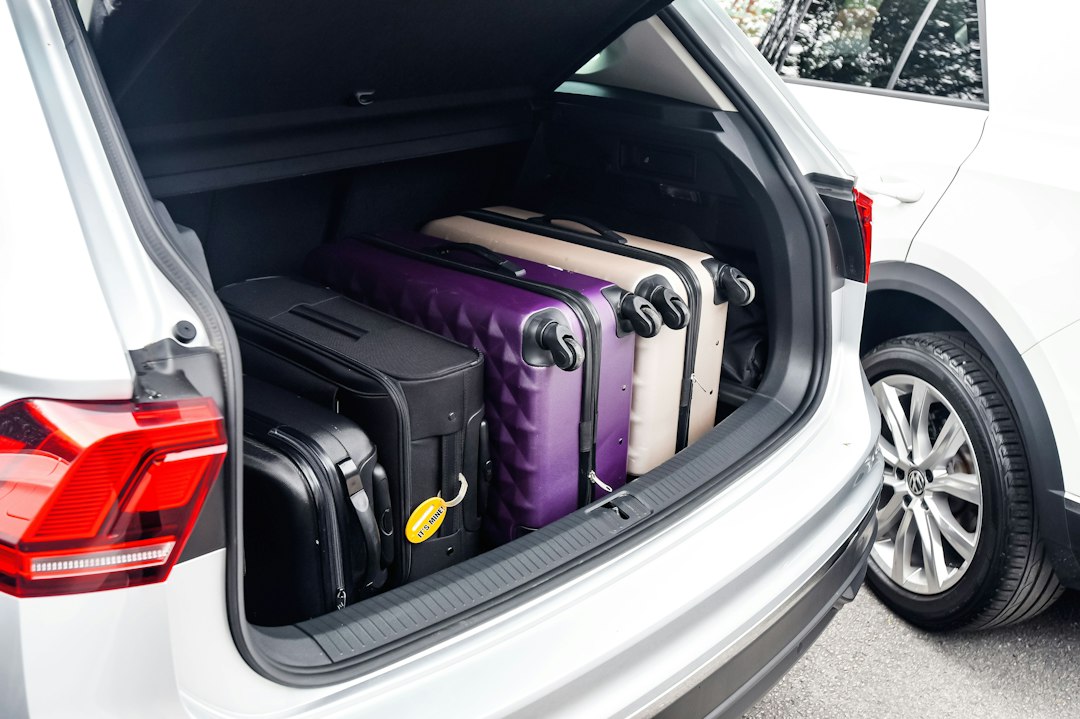
- Soft duffels in the trunk for clothes—they compress and let you arrange the spare-access area.
- A small “day bag” stored in the cabin for snacks, charging cables, sunscreen and medications you’ll need before you stop.
- Plastic shoe boxes or packing cubes to separate clean clothes, electronics and toiletries, which speeds stops and keeps smells contained.
Label or color-code bags if traveling with others; one glance should tell you which bag has the jackets or the kids' snacks.
Food and drink that keep energy steady (not sugar highs)
Pack a mix of easy-to-eat, non-messy items: nuts, jerky, cut fruit in sealed containers, and whole-grain sandwiches. An insulated cooler keeps perishables safe for a day and prevents repeated fast-food stops.
Pro tip: pre-portion water bottles and a small trash bag in the center console so everyone stays hydrated and the car stays tidy.

Phone charging, mounts and offline navigation
Don’t rely on a single cable. Pack a multi-port USB charger that plugs into the 12V outlet and at least one long cable for backseat users. Use a secure dashboard mount for navigation and a printed route or screenshot of critical junctions in case signal drops.
Plan rest stops and driving shifts to cut stress
Plan to stop every 90–120 minutes for 10–20 minutes—short walks reset circulation and attention. If you’re covering more than four hours, swap drivers regularly. Make those switch points near a restroom or scenic spot so stops feel productive, not just functional.
Traveling with kids or pets: small investments, big returns
Kids: a “car activity kit” with new-ish toys, crayons, simple games and healthy snacks can prevent seat-belt battles. Bring a refillable spill-proof cup per child.
Pets: a secure harness or carrier, collapsible water bowl and a travel mat keep animals calmer and reduce shedding. Plan pet breaks every 2–3 hours for short walks.
Keep the cabin clean and calm
Small habits maintain comfort: a microfiber cloth and all-purpose wipe in the glove box for quick spills, a small trash bag clipped under a seat, and a portable vacuum if you're on a multi-day trip. Open a window briefly at stops to air the car and reduce stale smells.

- Confirm tire pressure, spare, and basic tools are in place.
- Pack one accessible emergency kit and an in-cabin day bag.
- Prepare an insulated cooler with water and balanced snacks.
- Bring phone chargers, a dashboard mount, and printed route backup.
- Schedule driver swaps and rest stops every 90–120 minutes.
A short pre-drive routine, one consolidated emergency kit, and targeted comfort items (support cushion, cooler, chargers) will make most road trips noticeably easier. Prioritize easy-to-access gear and planned breaks—those small choices keep the journey pleasant more than any single gadget.
What is the most important thing to pack for a road trip?
An accessible car emergency kit with tire repair tools, jumper cables, flashlight and a few survival items is the highest priority; it prevents most common roadside delays.
How often should we stop on a long drive?
Stop every 90–120 minutes for a 10–20 minute break to stretch, hydrate and rest eyes—this reduces fatigue and improves safety.
How can I keep food fresh without frequent stops?
Use an insulated cooler with ice packs and pre-portioned containers; avoid high-water-content foods that bruise or leak and rotate items from top to bottom to access without unpacking everything.
What comfort items actually reduce driver fatigue?
A supportive lumbar cushion, sunglasses, a good playlist, and scheduled driver swaps are most effective—comfortable seating and regular breaks matter more than novelty gadgets.
Should I bring printed directions if I have GPS?
Yes—carry printed or screenshot directions for critical junctions as a reliable backup if cell service fails or your battery dies.