Wishlist

Start with the result you want: a simple, repeatable home workout routine
What matters most is not complexity or length but repeatability. A 15–25 minute routine you can do reliably three to five times a week will produce far better results than an ambitious hour-long plan you skip. Ignore the idea that every session must be perfect; focus on a small, clear program you can follow even on busy days.
Design a routine you’ll actually do
Decide on three concrete parameters: frequency, duration, and type. For example: “4 sessions per week, 20 minutes each, full-body strength and mobility.” Keep each session tightly scoped so it's easy to start.
- Frequency: Aim for a realistic minimum (3x/week). Consistency beats intensity early on.
- Duration: 15–30 minutes is enough. Short sessions remove friction and build habit.
- Type: Pick a clear goal—strength, cardio, mobility, or a hybrid. Rotate focus across the week.
Schedule workouts like appointments
Put workouts on your calendar at the same times you’re most likely to keep them—before work, during lunch, or right after the kids are asleep. Treat these blocks as non-negotiable appointments rather than optional extras.
Use a two-tiered plan: fixed primary times (e.g., Monday/Wednesday/Friday 6:30 a.m.) and soft backup times (e.g., 7 p.m.) for days when the primary slot fails.
Make starting effortless
Remove barriers that stop you from doing five minutes of exercise. Lay out your mat and equipment the night before, keep a filled water bottle nearby, and have a 3–4 exercise warmup ready so you can begin immediately.
Build a small, useful exercise library
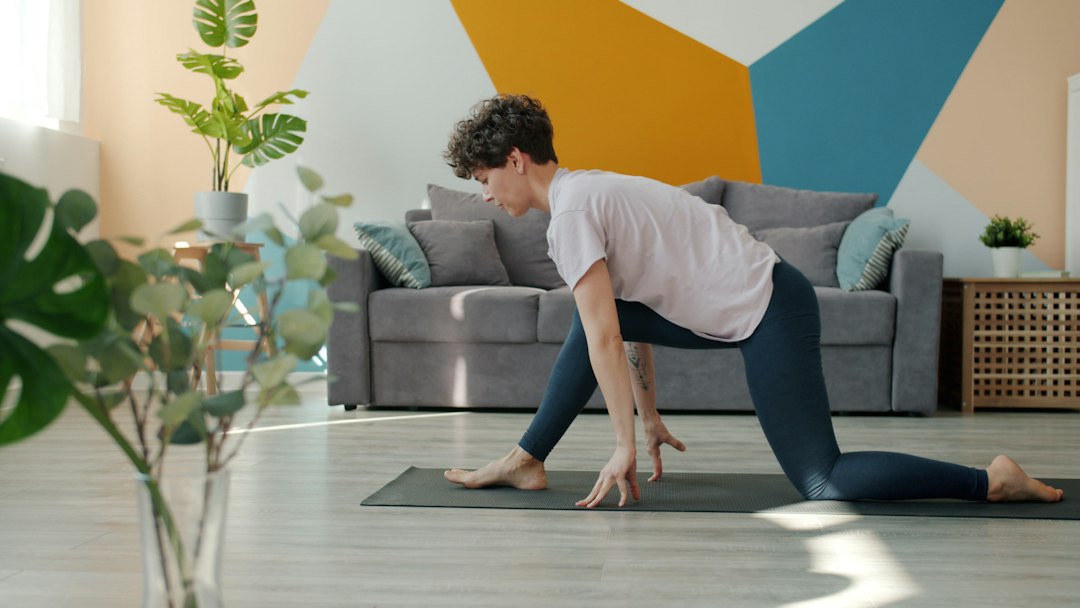
Choose 8–12 core movements that cover the whole body—squats, lunges, push-ups (or push up board variations), rows (band or suspension), planks, deadbugs, glute bridges, and a short mobility flow. Combine them into two or three workout templates so you can rotate without thinking.
Example 20-minute template: 5-minute warmup, 12 minutes of alternating strength circuits (30s work / 15s rest), 3-minute cool-down stretch.
Use equipment that reduces friction
A single compact tool can increase variety and motivation. For many people a push up board or a suspension trainer extends the number of effective exercises without taking much space.
If you want one simple, space-saving pick to start with, consider a push up board that guides hand positions for different muscle targets—useful when you need quick, structured strength sessions.
Track progress in a way that matters
Pick one primary progression metric tied to your goal: total workouts per week, number of reps or sets, or a simple strength measure (e.g., push-up count). Record it immediately after each session—paper, a habit app, or a notes app will do.
Plan for busy days and recovery
Have two fallback sessions: a 10-minute “maintenance” circuit and a mobility-focused routine. On days you can’t complete a full workout, do the maintenance session to preserve habit continuity.
Schedule at least one full rest day and listen to soreness—consistency includes smart recovery.
Use habit triggers and pairing
Attach workouts to an existing daily habit: after breakfast, right after you brush your teeth, or immediately after logging off work. Habit stacking simplifies decision-making—you already do the anchor habit, so the workout follows automatically.
Stay motivated with variety and accountability
Rotate templates every 2–4 weeks to avoid boredom and plateaus. Use an accountability partner, join a short online class, or share weekly results with a friend. External accountability dramatically improves adherence.
Troubleshooting common roadblocks
Fewer than three workouts a week? Shorten sessions and tighten scheduling—15 minutes beats none. Feeling plateaus? Add progressive overload: more reps, an extra set, slower tempo, or brief pauses. Traveling? Pack resistance bands and a bodyweight circuit you can do in a hotel room.
If motivation wanes despite scheduling, reset expectations: aim for maintenance rather than progression for a month, then rebuild volume.
When to change the plan
Change only when the program stops fitting your life or you stop progressing for several weeks. Adjust frequency, swap exercises that cause discomfort, or add a new equipment tool. Minor, sustainable tweaks are better than wholesale overhauls.
Keep it practical: weekly template you can copy
- Monday — Strength A (20 minutes): squats, push-up variation, band row, plank.
- Wednesday — Mobility + core (20 minutes): dynamic stretches, deadbugs, glute bridges, calf mobility.
- Friday — Strength B (20 minutes): lunges, suspension/band rows, shoulder presses, side plank.
- Optional Saturday — Cardio or active recovery (20–30 minutes): brisk walk, bike, or light circuit.
Consistency is a process: it uses predictable scheduling, minimal friction starts, small measurable progress, and plans for interruptions. Keep the routine simple enough to follow and meaningful enough to keep you engaged.

- Choose a realistic weekly target (e.g., 3–4 sessions) and lock primary times on your calendar.
- Prepare gear and space the night before to reduce start friction.
- Learn 8–12 core movements and create 2–3 short templates to rotate.
- Track one progress metric immediately after each session.
- Have a 10-minute fallback workout for busy days.
- Use an accountability partner or schedule check-ins every week.
Make your home workout routine small, scheduled, and measurable. Prioritize starting over perfect execution: short consistent sessions beat sporadic long workouts. Prepare your space, pick a compact tool if helpful, and track frequency to build the habit.
How long should each home workout be to stay consistent?
Aim for 15–30 minutes. Shorter sessions reduce resistance to starting and still build fitness when repeated regularly.
What if I only have five minutes some days?
Do a 5–10 minute maintenance circuit focusing on compound movements or mobility; keeping the habit is more important than duration on busy days.
Do I need equipment to be consistent?
No, but one compact item—resistance band, push up board, or a suspension trainer—adds variation and can increase motivation without taking much space.
How do I measure progress without a gym scale?
Track workout frequency, reps/sets for key movements, or how you feel during everyday tasks (stairs, carrying groceries). These practical markers show real change.
How quickly will a consistent home routine show results?
You may notice better energy and strength in 3–6 weeks; visible changes depend on intensity, nutrition, and starting fitness level.